

Escucha gratis este podcast en la aplicación: Descarga gratuita en la App Store
radio.net
Sleep timer
Favoritos
718 episodios
How to Race the IRONMAN World Championship in Kona: A Complete Guide | Tomasz Kowalski
01/10/2026 | 1 h 33 minTomasz (Tomek) Kowalski is a triathlon coach with a great track record of athletes racing Kona, among them age-group world champions and podium finishers. With the IRONMAN World Championship coming up again in Kona we cover everything age-group triathletes need to know to have a successful race there, including when to fly out, training and tapering on the island, heat preparation at home, equipment choices, and pacing, fuelling and hydration on race day.
HIGHLIGHTS AND KEY TOPICS:
The single most common reason a Kona race goes wrong for age-groupers, and roughly how much of the damage it accounts for.
When to fly out: the time-zone rule of thumb, the trade-off between arriving early and arriving fresh, and whether you need to fully adapt to Hawaiian time at all.
Training on the island: how much lower your watts and paces can be at the same RPE, how long the last long ride and run should be, and whether to keep touching threshold in the final three weeks.
Swimming in the last ten days: open water or pool, how to structure an open water session with no buoys to swim between, and how to use the Hoʻala training swim.
Heat preparation before you travel: a hot water immersion protocol with durations and water temperature, and why using a CORE temperature sensor or sweat testing gets less weight than you might expect.
Kit for the heat: aero or road helmet, visor or no visor, three headwear options for the run, and whether to change from trisuit to running kit in T2.
Pacing the swim, bike and run: how many watts to expect to give up compared with a cooler Ironman, and how the impact of the rollers changes depending on how strong a cyclist you are.
Fuelling and hydration in the heat: the body mass loss on the bike that puts your run at risk, and how easily caffeine intake creeps too high.
SHOWNOTES, LINKS, RESOURCES AND RELATED EPISODES:
That Triathlon Show Community on ROUVY
That Triatlon Show Group Ride on ROUVY - 5 October, 18:00 CET (12pm ET, 9am PT), 25 km / 15.5 miles on the Kona bike course. Social ride, easy, everybody is welcome regardless of speed!
Follow Tomek on Instagram and his coaching business Trinergy on his website
The shownotes for today's episode can be found here.
The full podcast episode archives (including category filters) can be found here.
Related episodes:Tomasz Kowalski | EP#428
Swimskins, Power Duration Curves and Best Bike Sessions for Runner Turned Cyclist | Q&A
Studies mentioned:Effects of Heat Adaptation on Physiology, Perception, and Exercise Performance in the Heat: An Updated Meta-Analysis - Tyler et al. 2024
Reliability and Validity of the CORE Sensor to Assess Core Body Temperature during Cycling Exercise - Verdel et al. 2021
Resources and tools mentioned:Fuel & Hydration Planner - Precision Fuel & Hydration
SPONSORS:
Precision Fuel & Hydration produce our favourite gels, sports drinks, and electrolyte and carbohydrate products here at That Triathlon Show and Scientific Triathlon. Use the free Fuel & Hydration Planner to get a personalised plan for your carbohydrate, sodium and fluid intake in your next event, and get 15% off your first 2026 order by using the code TTS2026 at checkout.
Rouvy is hands down the most complete indoor cycling platform for triathletes. Among their thousands of beautiful bike courses from all around the world, all filmed in stunning quality, they have over 75 IRONMAN and IRONMAN 70.3 race courses plus 20+ Challenge Family courses, so you can pre-ride your race from home. Real gradients, real visuals, and real feel! Head to rouvy.com and use the code TTS to get your first month free on top of a 7-day free trial.
Effortless Swimming produce the best swim goggles for triathletes and open water swimmers. Their NanoClear anti-fog lenses give you clear, fog-free vision that lasts and doesn't wear off. Don't let foggy or leaky goggles ruin another swim. Go to shop.effortlessswimming.com and use the code TTS15 to get 15% off your goggles, and get a free two-month Effortless Swimming course membership.
LEARN MORE ABOUT SCIENTIFIC TRIATHLON:
The Scientific Triathlon website is the home of That Triathlon Show and everything else that we do
Contact us through our contact form or email me directly (note - email/contact form messages get responded to much more quickly than Instagram DMs)
Subscribe to our Newsletter
Follow us on Instagram
Learn more about our coaching, training plans, and training camps. We have something to offer for everybody from beginners to professionals.
HOW CAN I SUPPORT THAT TRIATHLON SHOW (FOR FREE)?
I really appreciate you reading this and considering helping the show! If you love the show and want to support it to help ensure it sticks around, there are a few very simple things you can do, at no cost other than a minute of your time.
Subscribe to the podcast in your podcast app to automatically get all new episodes as they are released.
Tell your friends, internet and social media friends, acquaintances and triathlon frenemies about the podcast. Word of mouth is the best way to grow the podcast by far!
Rate and review the podcast (ideally five stars of course!) in your podcast app of choice (Spotify and Apple Podcasts are the biggest and most important ones).
Share episodes online and on social media. Share your favourite episodes in your Instagram stories, start a discussion about interesting episodes on forums, reference them in your blog or Substack.
Hosted by Simplecast, an AdsWizz company. See pcm.adswizz.com for information about our collection and use of personal data for advertising.Going All In on a Marathon Block as a Triathlete | Q&A
24/09/2026 | 1 h 26 minMikael Eriksson and Jack Hutchens answer listener questions, starting with a long look at how to fit a marathon into a triathlon year: when to do it, how much running it takes, what happens to the swim and the bike, and how far the long run really should be. Then questions on racing a 70.3 inside a base phase, coming back from overtraining syndrome, and whether you have to dig a hole to get supercompensation.
We do listener Q&As monthly, the last Thursday every month.
HIGHLIGHTS AND KEY TOPICS:
Where a marathon fits in a triathlon year, autumn against spring, and the one situation where the less obvious option is the right call.
Setting run mileage when you are also swimming and biking. Why the starting point is your own running history rather than a plan chosen by goal time, and what is wrong with how most marathon plans are built.
A pro triathlete with a 60-minute record of 400 W at 78 kg asks why a 2:30 marathon still feels far away. What VO2max and fractional utilisation leave as the only possible explanation, and what can and cannot be changed about it.
Long run distance against total volume, and the main point of disagreement between Mikael and Jack for this episode. Plus how far the longest long run should go, banded by goal time from a first marathon through to sub-2:30.
Quads as the limiter in the marathon, from a listener with a 1:17 half and a 3:01 Ironman marathon. Conditioning, cadence, shoe drop and fuelling, and which of those actually matters.
Racing a 70.3 in the middle of a base phase. The question to answer before you decide, and where Mikael and Jack come down differently on treating a race as a training day.
Returning to training after overtraining syndrome. What to monitor on the way back, why HRV gets less weight here than you might expect, and the case study of a world-class skier who came back from underperformance to the top.
Whether supercompensation requires digging a hole. Thirty-three trained triathletes, a three-week overload block into a four-week taper, and what separated the group that gained the most from the group that spent the study getting sick.
SHOWNOTES, LINKS, RESOURCES AND RELATED EPISODES:
That Triathlon Show Community on ROUVY
That Triatlon Show Group Ride on ROUVY - 5 October, 18:00 CET (12pm ET, 9am PT), 25 km / 15.5 miles on the Kona bike course. Social ride, easy, everybody is welcome regardless of speed!
Ask us questions via our contact form, and on our Instagram
Follow Jack on his coach page and Instagram
The shownotes for today's episode can be found here.
The full podcast episode archives (including category filters) can be found here.
Related episodes:Rune Kjøsen Talsnes, PhD | EP#427
Modern marathon training principles and preparation with running coach John Davis
Studies discussed:Functional overreaching: the key to peak performance during the taper? - Aubry et al. 2014
Functional overreaching in endurance athletes: a necessity or cause for concern? - Bellinger 2020
The return from underperformance to sustainable world-class level: a case study of a male cross-country skier - Talsnes et al. 2023
Warning signs, monitoring tools, and actions taken by world-class endurance coaches in cases of underperformance - Talsnes et al. 2024
Sex differences in self-reported causes, symptoms, and recovery strategies associated with underperformance in endurance athletes - Agudo-Ortega et al. 2024
SPONSORS:
Precision Fuel & Hydration produce our favourite gels, sports drinks, and electrolyte and carbohydrate products here at That Triathlon Show and Scientific Triathlon. Use the free Fuel & Hydration Planner to get a personalised plan for your carbohydrate, sodium and fluid intake in your next event, and get 15% off your first 2026 order by using the code TTS2026 at checkout.
Rouvy is hands down the most complete indoor cycling platform for triathletes. Among their thousands of beautiful bike courses from all around the world, all filmed in stunning quality, they have over 75 IRONMAN and IRONMAN 70.3 race courses plus 20+ Challenge Family courses, so you can pre-ride your race from home. Real gradients, real visuals, and real feel! Head to rouvy.com and use the code TTS to get your first month free on top of a 7-day free trial.
Effortless Swimming produce the best swim goggles for triathletes and open water swimmers. Their NanoClear anti-fog lenses give you clear, fog-free vision that lasts and doesn't wear off. Don't let foggy or leaky goggles ruin another swim. Go to shop.effortlessswimming.com and use the code TTS15 to get 15% off your goggles, and get a free two-month Effortless Swimming course membership.
LEARN MORE ABOUT SCIENTIFIC TRIATHLON:
The Scientific Triathlon website is the home of That Triathlon Show and everything else that we do
Contact us through our contact form or email me directly (note - email/contact form messages get responded to much more quickly than Instagram DMs)
Subscribe to our Newsletter
Follow us on Instagram
Learn more about our coaching, training plans, and training camps. We have something to offer for everybody from beginners to professionals.
HOW CAN I SUPPORT THAT TRIATHLON SHOW (FOR FREE)?
I really appreciate you reading this and considering helping the show! If you love the show and want to support it to help ensure it sticks around, there are a few very simple things you can do, at no cost other than a minute of your time.
Subscribe to the podcast in your podcast app to automatically get all new episodes as they are released.
Tell your friends, internet and social media friends, acquaintances and triathlon frenemies about the podcast. Word of mouth is the best way to grow the podcast by far!
Rate and review the podcast (ideally five stars of course!) in your podcast app of choice (Spotify and Apple Podcasts are the biggest and most important ones).
Share episodes online and on social media. Share your favourite episodes in your Instagram stories, start a discussion about interesting episodes on forums, reference them in your blog or Substack.
Hosted by Simplecast, an AdsWizz company. See pcm.adswizz.com for information about our collection and use of personal data for advertising.David Tilbury-Davis: Everything That Decides Your Results Except the Training
17/09/2026 | 1 h 49 minDavid Tilbury-Davis has coached world class triathletes since 1995, among them Lionel Sanders, Ashleigh Gentle, Skye Moench, Cody Beals and Matt Hanson. In this episode we cover everything that decides whether an athlete reaches their potential except the training itself: professionalism, how you design your life around the sport, the decisions you make week to week, psychology and mindset, and the coach-athlete relationship.
HIGHLIGHTS AND KEY TOPICS:
The single change outside training with the biggest upside, and the second one David adds straight after it, which most athletes with a job will find far harder than the first.
Professionalism defined as everything that performatively matters and is not swim, bike, run or gym, and the checklist David runs through when he wants to know how professional an athlete really is.
The difference between a support structure that is supportive and one that is merely tolerant, the conversation to have before committing to a season, and why David wants to interview the 5am-club influencer's partner.
Guardrails: the training window one of David's pro athletes drew around her day and refused to move, what he tells younger pros about procrastination, and the checks he runs before anyone turns pro.
Why self-doubt and imposter syndrome run high in almost every athlete he has coached in 30 years, what separates the ones who use it as fuel from the ones it consumes, and where he draws the line between confidence and arrogance.
Executing a session versus staying present and engaged in it, the athlete riding four hours in ERG-mode watching Top Gun, and the cue David uses for how wrecked a training week should leave you.
Attention as a resource you spend: structured swim sets on the watch, the athlete apologising for a warm-up five watts off, and the one split David actually wants reported back to him mid-session.
The 80 / 15 / 5 split David puts on coaching, what falls into the 5 per cent, and the pizza-slice session he invented for one athlete and then wrote to Professor Stephen Seiler about.
SHOWNOTES, LINKS, RESOURCES AND RELATED EPISODES:
Follow David Tilbury-Davis on his website and Instagram. Also check out his training camp.
The shownotes for today's episode can be found here.
The full podcast episode archives (including category filters) can be found here.
Related episodes:David Tilbury-Davis | EP#416
The evolution of coaching principles and practices with David Tilbury-Davis | EP#283
Perspectives on coaching with David Tilbury-Davis | EP#227
Perspectives on training with David Tilbury-Davis | EP#226
Triathlon race planning with David Tilbury-Davis | EP#150
Kolie Moore – Overrated and Underrated Factors for Cycling Performance | EP#703
The Hour record and aerodynamics with Dan Bigham | EP#368
Dan Bigham – aerodynamic testing, equipment, and making your bike fast | EP#229
Polarised training with Stephen Seiler, PhD | EP#177
Studies discussed:Adaptations to aerobic interval training: interactive effects of exercise intensity and total work duration - Seiler et al. 2013
Superior performance improvements in elite cyclists following short-interval vs effort-matched long-interval training - Rønnestad et al. 2020
SPONSORS:
Precision Fuel & Hydration produce our favourite gels, sports drinks, and electrolyte and carbohydrate products here at That Triathlon Show and Scientific Triathlon. Use the free Fuel & Hydration Planner to get a personalised plan for your carbohydrate, sodium and fluid intake in your next event, and get 15% off your first 2026 order by using the code TTS2026 at checkout.
Rouvy is hands down the most complete indoor cycling platform for triathletes. Among their thousands of beautiful bike courses from all around the world, all filmed in stunning quality, they have over 75 IRONMAN and IRONMAN 70.3 race courses plus 20+ Challenge Family courses, so you can pre-ride your race from home. Real gradients, real visuals, and real feel! Head to rouvy.com and use the code TTS to get your first month free on top of a 7-day free trial.
Effortless Swimming produce the best swim goggles for triathletes and open water swimmers. Their NanoClear anti-fog lenses give you clear, fog-free vision that lasts and doesn't wear off. Don't let foggy or leaky goggles ruin another swim. Go to shop.effortlessswimming.com and use the code TTS15 to get 15% off your goggles, and get a free two-month Effortless Swimming course membership.
LEARN MORE ABOUT SCIENTIFIC TRIATHLON:
The Scientific Triathlon website is the home of That Triathlon Show and everything else that we do
Contact us through our contact form or email me directly (note - email/contact form messages get responded to much more quickly than Instagram DMs)
Subscribe to our Newsletter
Follow us on Instagram
Learn more about our coaching, training plans, and training camps. We have something to offer for everybody from beginners to professionals.
HOW CAN I SUPPORT THAT TRIATHLON SHOW (FOR FREE)?
I really appreciate you reading this and considering helping the show! If you love the show and want to support it to help ensure it sticks around, there are a few very simple things you can do, at no cost other than a minute of your time.
Subscribe to the podcast in your podcast app to automatically get all new episodes as they are released.
Tell your friends, internet and social media friends, acquaintances and triathlon frenemies about the podcast. Word of mouth is the best way to grow the podcast by far!
Rate and review the podcast (ideally five stars of course!) in your podcast app of choice (Spotify and Apple Podcasts are the biggest and most important ones).
Share episodes online and on social media. Share your favourite episodes in your Instagram stories, start a discussion about interesting episodes on forums, reference them in your blog or Substack.
Hosted by Simplecast, an AdsWizz company. See pcm.adswizz.com for information about our collection and use of personal data for advertising.Strength and Speed Training Methods of Norwegian Endurance Coaches | Research Roundup
10/09/2026 | 1 h 36 minIn today's Research Roundup we bring you four recent studies. How world-class Norwegian endurance coaches programme strength and speed, the factors determining how a runner's physiology holds up over two and a half hours of running, a defence of the critical power model written by the people who built it, and a polarised versus high-intensity trial in cyclists with a result neither of us expected.
HIGHLIGHTS AND KEY TOPICS:
Strength and speed training across eight Olympic endurance sports (including triathlon, swimming, cycling and running), from 12 world-class Norwegian coaches whose athletes have won over 400 international medals. How many hours a year each sport does, and which sport sits at the bottom of the table.
What those sessions look like: exercises, sets, reps and how close to failure the athletes are taken, which is a long way from what randomised trials prescribe. Plus the 10 hours a year of speed training every sport did, and what it looks like.
How Daniel and Mikael each place strength and speed work in a real training week, where they differ from the Norwegian model, and why an age-group athlete in their forties is a different case from an Olympic athlete in their twenties.
Physiological resilience (durability) during two and a half hours of continuous unfed running, with thresholds, running economy and VO2max retested at the end. Which variables fall most, which barely move, and how runners of different ability differ.
Mikael sets the running economy decline against what a pair of carbon shoes buys you and asks which is bigger. Plus the two qualities that separated the runners who held up, one aerobic and one from the gym.
Ten common criticisms of the critical power model, answered by the group that built it: whether CP is just FTP renamed, whether the model claims you can hold CP forever, whether a power law fits the curve better, and where the authors concede most.
Critical power as a moving number rather than a fixed one, what that does to how you prescribe a threshold session, and the gap between the test durations the paper recommends and the ones Mikael actually uses.
Polarised against high intensity with the hard sessions held identical, three a week for six weeks, one group adding four hours a week of easy riding. What the time trial showed, and why Mikael thinks the result is wrong (a strong statement!).
SHOWNOTES, LINKS, RESOURCES AND RELATED EPISODES:
Follow Daniel Rowland and Endurance Ideas and Implementation on his website, Substack and Instagram.
The shownotes for today's episode can be found here.
The full podcast episode archives (including category filters) can be found here.
Related episodes:New Research on Torque Training, Ketones, Carb Loading and Pacing | Daniel Rowland | EP#698
The 10% Rule Applies to Your Long Run, Not Your Week | Research Roundup | EP#709
Is VO2max more important than lactate threshold? | Research roundup | EP#705
[Triathlon Science] Durability decoded – a 2025 perspective with Michele Zanini, PhD
Studies discussed:Strength and Speed Training Practices for Olympic Endurance Sports: Insights From World-Class Coaches - Haugen et al. 2026
Determinants of Physiological Resilience Among Recreational-To-Competitive Endurance Runners - Malinen et al. 2026
Ten Common Criticisms of the Critical Power Model Revisited - Black et al. 2026
The effectiveness of polarized versus high-intensity training in moderately trained cyclists: a randomized parallel-design study - Moran-MacDonald et al. 2026
Best-Practice Training Characteristics Within Olympic Endurance Sports as Described by Norwegian World-Class Coaches - Sandbakk et al. 2025
Strength Training Improves Running Economy Durability and Fatigued High-Intensity Performance in Well-Trained Male Runners: A Randomized Control Trial - Zanini et al. 2025
Effects of Exercise Training on Mitochondrial and Capillary Growth in Human Skeletal Muscle: A Systematic Review and Meta-Regression - Mølmen et al. 2024
SPONSORS:
Precision Fuel & Hydration produce our favourite gels, sports drinks, and electrolyte and carbohydrate products here at That Triathlon Show and Scientific Triathlon. Use the free Fuel & Hydration Planner to get a personalised plan for your carbohydrate, sodium and fluid intake in your next event, and get 15% off your first 2026 order by using the code TTS2026 at checkout.
Rouvy is hands down the most complete indoor cycling platform for triathletes. Among their thousands of beautiful bike courses from all around the world, all filmed in stunning quality, they have over 75 IRONMAN and IRONMAN 70.3 race courses plus 20+ Challenge Family courses, so you can pre-ride your race from home. Real gradients, real visuals, and real feel! Head to rouvy.com and use the code TTS to get your first month free on top of a 7-day free trial.
Effortless Swimming produce the best swim goggles for triathletes and open water swimmers. Their NanoClear anti-fog lenses give you clear, fog-free vision that lasts and doesn't wear off. Don't let foggy or leaky goggles ruin another swim. Go to shop.effortlessswimming.com and use the code TTS15 to get 15% off your goggles, and get a free two-month Effortless Swimming course membership.
LEARN MORE ABOUT SCIENTIFIC TRIATHLON:
The Scientific Triathlon website is the home of That Triathlon Show and everything else that we do
Contact us through our contact form or email me directly (note - email/contact form messages get responded to much more quickly than Instagram DMs)
Subscribe to our Newsletter
Follow us on Instagram
Learn more about our coaching, training plans, and training camps. We have something to offer for everybody from beginners to professionals.
HOW CAN I SUPPORT THAT TRIATHLON SHOW (FOR FREE)?
I really appreciate you reading this and considering helping the show! If you love the show and want to support it to help ensure it sticks around, there are a few very simple things you can do, at no cost other than a minute of your time.
Subscribe to the podcast in your podcast app to automatically get all new episodes as they are released.
Tell your friends, internet and social media friends, acquaintances and triathlon frenemies about the podcast. Word of mouth is the best way to grow the podcast by far!
Rate and review the podcast (ideally five stars of course!) in your podcast app of choice (Spotify and Apple Podcasts are the biggest and most important ones).
Share episodes online and on social media. Share your favourite episodes in your Instagram stories, start a discussion about interesting episodes on forums, reference them in your blog or Substack.
Hosted by Simplecast, an AdsWizz company. See pcm.adswizz.com for information about our collection and use of personal data for advertising.Alistair Brownlee, Two-Time Olympic Champion | Everyone Was Surprised by How Slow I Trained
03/09/2026 | 1 h 18 minAlistair Brownlee is the only triathlete to win two individual Olympic golds, winning at home in London in 2012 and in Rio in 2016. He retired at the end of 2024 after an 18-year career, in which he also won two World Titles, four European Titles and the Commonwealth Games. He also has two second-place finishes from Ironman 70.3 World Championships. This is a conversation about how he actually trained across two decades, in particular when he was at his most dominant and changed the sport: the volume, the intensity, what he would do differently, and lots more.
HIGHLIGHTS AND KEY TOPICS:
Second at Norseman two weeks before this recording, on what he calls zero structured sessions. What has held on, what has gone, and which part of the power duration curve goes first.
The training week behind two Olympic golds: hours, sessions per sport, the swim, track and bike sessions he built the year around, and what share of it was actually done at intensity.
Riding at 200 watts with a threshold north of 400, and running five minutes per kilometre when he has a 28:32 PB. Why he was that strict about it, and the two things it bought him.
High intensity as the icing on the cake: why he thinks the icing contributes less than most athletes believe, and what follows from that if your cake is small.
His test for whether an easy session was genuinely easy, why feeling hypoglycaemic on an easy ride tells you something, and why he will not give you a wattage or a lactate number for it.
Injuries, and whether you have to take that risk to win an Olympic title. His arithmetic on what a month lost to injury really costs you, and what that means for today.
What changes when you have 10 hours a week rather than 35: the one thing he would move about the intensity proportions, and the trap most age group athletes fall into.
Sodium, cramp and the gap between the literature and what athletes report. Why he is not sold on sweat sodium testing, what heat training did to his own numbers, and the taurine protocol he uses in hot races.
SHOWNOTES, LINKS, RESOURCES AND RELATED EPISODES:
Follow Alistair on Instagram, Substack, and LinkedIn
Follow truefuels on Instagram, and check out their taurine product.
The shownotes for today's episode can be found here.
The full podcast episode archives (including category filters) can be found here.
Related episodes:
Polarised training with Stephen Seiler, PhD | EP#177
World Champions keep things simple: training masterclass with Joel Filliol | EP#172
The “Best Practices” We Stand By That the Research Does Not Support
Nutrition and hydration data from Kona and 70.3 Worlds with Andy Blow | EP#365
Running, Peaking, and Suffering with Olympic gold-medal coach Malcolm Brown | EP#96
Studies discussed:
The effect of 8-day oral taurine supplementation on thermoregulation during low-intensity exercise at fixed heat production in hot conditions of incremental humidity - Peel et al. 2024
Acute taurine supplementation enhances thermoregulation and endurance cycling performance in the heat - Page et al. 2019
SPONSORS:
Precision Fuel & Hydration produce our favourite gels, sports drinks, and electrolyte and carbohydrate products here at That Triathlon Show and Scientific Triathlon. Use the free Fuel & Hydration Planner to get a personalised plan for your carbohydrate, sodium and fluid intake in your next event, and get 15% off your first 2026 order by using the code TTS2026 at checkout.
Rouvy is hands down the most complete indoor cycling platform for triathletes. Among their thousands of beautiful bike courses from all around the world, all filmed in stunning quality, they have over 75 IRONMAN and IRONMAN 70.3 race courses plus 20+ Challenge Family courses, so you can pre-ride your race from home. Real gradients, real visuals, and real feel! Head to rouvy.com and use the code TTS to get your first month free on top of a 7-day free trial.
Effortless Swimming produce the best swim goggles for triathletes and open water swimmers. Their NanoClear anti-fog lenses give you clear, fog-free vision that lasts and doesn't wear off. Don't let foggy or leaky goggles ruin another swim. Go to shop.effortlessswimming.com and use the code TTS15 to get 15% off your goggles, and get a free two-month Effortless Swimming course membership.
LEARN MORE ABOUT SCIENTIFIC TRIATHLON:
The Scientific Triathlon website is the home of That Triathlon Show and everything else that we do
Contact us through our contact form or email me directly (note - email/contact form messages get responded to much more quickly than Instagram DMs)
Subscribe to our Newsletter
Follow us on Instagram
Learn more about our coaching, training plans, and training camps. We have something to offer for everybody from beginners to professionals.
HOW CAN I SUPPORT THAT TRIATHLON SHOW (FOR FREE)?
I really appreciate you reading this and considering helping the show! If you love the show and want to support it to help ensure it sticks around, there are a few very simple things you can do, at no cost other than a minute of your time.
Subscribe to the podcast in your podcast app to automatically get all new episodes as they are released.
Tell your friends, internet and social media friends, acquaintances and triathlon frenemies about the podcast. Word of mouth is the best way to grow the podcast by far!
Rate and review the podcast (ideally five stars of course!) in your podcast app of choice (Spotify and Apple Podcasts are the biggest and most important ones).
Share episodes online and on social media. Share your favourite episodes in your Instagram stories, start a discussion about interesting episodes on forums, reference them in your blog or Substack.
Hosted by Simplecast, an AdsWizz company. See pcm.adswizz.com for information about our collection and use of personal data for advertising.
Más podcasts de Deportes
 La PolémicaDeportes, Futbol, Fútbol americano
 El Pulso del FútbolDeportes, Futbol, Fútbol americano, Noticias, Noticias deportivas
 Palabras mayoresDeportes, Futbol
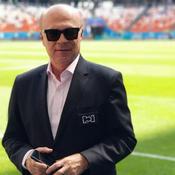 Palabras Mayores - Carlos Antonio VélezDeportes, Futbol
 La TitularDeportes
 El VBarDeportes, Futbol
 El Partidazo de COPEDeportes
 Blog DeportivoDeportes
 Historias SecretasDeportes
 Stick to FootballDeportes, Futbol, Fútbol americano, Noticias, Noticias deportivas
Podcasts a la moda de Deportes
 RUNNEA PodcastDeportes, Running
 Football ClichesDeportes, Futbol
 Brian Windhorst & The Hoop CollectiveBasquetbol, Deportes
 BAJO LOS PALOS by FLEXICARDeportes, Economía y empresa, Marketing
 Sky Sports Premier League PodcastDeportes, Futbol, Noticias, Noticias deportivas
 The Zach Lowe ShowBasquetbol, Deportes
 Tiempo de JuegoDeportes
 Grandes en los DeportesDeportes
 Spittin ChicletsDeportes, Hockey
 WINAMAX FOOTBALL CLUBDeportes, Futbol
 Deportes COPEDeportes
 La Tribu con Raúl VarelaDeportes
 Buenos días de golfDeportes, Golf
 Último Hombre En PieDeportes, Lucha libre
 The Good, The Bad & The RugbyDeportes, Rugby
 Talk of the Devils: The Athletic FC's Manchester United showDeportes
 New Orleans SaintsDeportes
 The Steve Matthes Show on RacerXDeportes
Acerca de That Triathlon Show
That Triathlon Show is the podcast for triathletes of all levels who want to train smarter and race faster. With over 600 episodes and millions of downloads since 2017, this show cuts through the noise and misinformation, delivering practical, no-nonsense advice rooted in both the art and science of training and performance.
The podcast features in-depth interviews with the world’s best coaches, top sports scientists, and elite athletes. Each episode dives into the nuances of training methodology, performance optimization, and race-day execution, providing insights you can apply right away. Whether you're preparing for a supersprint or an Ironman, or focusing on a single sport like swimming, cycling, or running, you'll find expert guidance and relevant content here.
The podcast is hosted by Mikael Eriksson, a former engineer now coaching professional and age-group athletes. Mikael is a Level III certified coach with over a decade of experience in coaching.
Join a global community of dedicated triathletes and take your performance to the next level. Learn more at www.scientifictriathlon.com/podcast.
Sitio web del podcastEscucha That Triathlon Show, La Polémica y muchos más podcasts de todo el mundo con la aplicación de radio.net
Descarga la app gratuita: radio.net
- Añadir radios y podcasts a favoritos
- Transmisión por Wi-Fi y Bluetooth
- Carplay & Android Auto compatible
- Muchas otras funciones de la app
Descarga la app gratuita: radio.net
- Añadir radios y podcasts a favoritos
- Transmisión por Wi-Fi y Bluetooth
- Carplay & Android Auto compatible
- Muchas otras funciones de la app
That Triathlon Show
Escanea el código,
Descarga la app,
Escucha.
Descarga la app,
Escucha.
That Triathlon Show: Podcasts del grupo
 Colombia