Escucha gratis este podcast en la aplicación: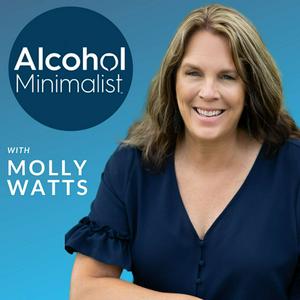 Descarga gratuita en la App Store
radio.net
Sleep timer
Favoritos
Alcohol Minimalist: Change Your Drinking Habits!
Molly Watts, Author & Coach
Último episodio
339 episodios

From Restraint to Reward: What to Add When You Drink Less
12/1/2026 | 15 min
If you’ve ever said, “I deserve a drink,” that thought may feel small, but it reflects something deeper — a powerful belief that alcohol is your reward.In this episode, Molly explores Alcohol Core Belief #4: Alcohol is my reward, and how this unconscious narrative can quietly fuel your desire to drink. The episode offers a new way forward — not through willpower or restriction, but by intentionally creating new, satisfying reward rituals.You’ll learn:Why the brain links alcohol with reward — and what to do about itHow removing alcohol without adding new sources of pleasure leads to resistanceThe importance of building emotional reward systems that reinforce the habit of drinking lessWhy this work isn’t about deprivation, but about creating lasting satisfaction and peaceTopics and TakeawaysHow “reward thinking” fuels the desire to drinkThe role of dopamine and learned associationsHow to create alcohol-free rewards that actually feel goodWhat to do instead of white-knuckling your way through dry daysThe mindset shift from “restriction” to “reinforcement”Resources MentionedAlcohol Core Beliefs Episodes: Episode 158: https://pdst.fm/e/dts.podtrac.com/redirect.mp3/media.transistor.fm/12f5397f/5d182193.mp3 Episode 159:https://pdst.fm/e/dts.podtrac.com/redirect.mp3/media.transistor.fm/eda56e8a/ac4e075a.mp3Episode 160: https://pdst.fm/e/dts.podtrac.com/redirect.mp3/media.transistor.fm/0bc07446/a0266a75.mp3Episode 161: https://pdst.fm/e/dts.podtrac.com/redirect.mp3/media.transistor.fm/e62c3a01/cdd8df70.mp3Episode 163: https://pdst.fm/e/dts.podtrac.com/redirect.mp3/media.transistor.fm/bb7c0709/5c68cc4e.mp3 Rewards Rewired WorksheetLow risk drinking guidelines from the NIAAA:Healthy men under 65:No more than 4 drinks in one day and no more than 14 drinks per week.Healthy women (all ages) and healthy men 65 and older:No more than 3 drinks in one day and no more than 7 drinks per week.One drink is defined as 12 ounces of beer, 5 ounces of wine, or 1.5 ounces of 80-proof liquor. So remember that a mixed drink or full glass of wine are probably more than one drink.Abstinence from alcoholAbstinence from alcohol is the best choice for people who take medication(s) that interact with alcohol, have health conditions that could be exacerbated by alcohol (e.g. liver disease), are pregnant or may become pregnant or have had a problem with alcohol or another substance in the past.Benefits of “low-risk” drinkingFollowing these guidelines reduces the risk of health problems such as cancer, liver disease, reduced immunity, ulcers, sleep problems, complications of existing conditions, and more. It also reduces the risk of depression, social problems, and difficulties at school or work. ★ Support this podcast ★
Think Thursday: The Neuroscience of Follow-Through
08/1/2026 | 10 min
In this Think Thursday episode, Molly picks up where last week’s conversation on the Fresh Start Effect left off and explores what happens in the brain after motivation fades. Using neuroscience and behavior change research, she explains why January 8 is often the point where people assume they have failed, even though this is actually the phase where real change begins.Molly breaks down why most New Year’s intentions are abandoned by mid-January and reframes this not as a lack of discipline, but as a misunderstanding of how the brain works. She explains the difference between motivation and follow-through, the role of dopamine, and why the brain naturally resists energy-intensive new behaviors. The episode focuses on how to create conditions that support consistency without relying on willpower.What You’ll LearnWhy most New Year’s resolutions are abandoned by mid-JanuaryHow the Fresh Start Effect creates motivation but not sustainabilityThe difference between motivation and follow-through in the brainThe role of dopamine in anticipation versus long-term changeWhy habits live in different brain circuits than goalsHow the brain prioritizes energy conservationWhy resistance and friction are expected during behavior changeHow follow-through builds self-trust over timeKey Concepts ExplainedFresh Start Effect as a motivational sparkDopamine and why motivation naturally fadesPrefrontal cortex as the center of planning and intentionBasal ganglia and its role in habit automationEnergy conservation as a primary function of the lower brainFollow-through as infrastructure, not enthusiasmPractical Principles Shared in the EpisodeReduce decisions to conserve cognitive energyAnchor new behaviors to existing routines through habit stackingShrink behaviors to reduce resistance and threatExpect friction as part of learning, not failureBuild evidence through repetition rather than relying on excitementKey TakeawaysMotivation fading does not mean you are behindFollow-through begins when excitement endsConsistency during low motivation is what rewires the brainSmall steps repeated over time create sustainable changeSelf-trust is built through evidence, not intentionRelated Think Thursday EpisodesThe Myth of the Fresh Start BrainConsistency: The Brain’s Super PowerThe Iterative Mindset and Behavior ChangeBelief Echoes and Why Change Feels HardUnbreakable Habits and the Voice That Keeps Them Alive ★ Support this podcast ★
Why "Mostly Dry January" is Enough
05/1/2026 | 16 min
It’s the first full week of the new year — and if Dry January is on your mind, than this episode is for you. In this solo episode, Molly shares insights from her current Mostly Dry January program and explains why your month doesn’t have to be perfect to be powerful. You’ll learn what the science says about cutting back (even partially), how to rewire your drinking habits using positive reinforcement, and why “mostly dry” is more than enough.If you're ready to ditch the all-or-nothing mindset and start building real momentum with your relationship with alcohol, this episode will help you do it — one small decision at a time. In This Episode:Why “failing” Dry January doesn’t mean starting overWhat research says about partial reductions in alcoholThe real reason willpower isn’t working — and what to try insteadHow to use temptation bundling to feel good about changeWhy moderation isn’t an excuse — it’s a skillResources & Links:Download the Temptation Bundling Worksheet Create alcohol-free routines that feel good — not forced. Download the PDFExplore Drink-Less Success A 30-day neuroscience-based support system for peaceful drinking habits. Start Drink-Less SuccessTry the Sunnyside App (15-day free trial) Molly’s top recommendation for mindful drink tracking. Join SunnysideLow risk drinking guidelines from the NIAAA:Healthy men under 65:No more than 4 drinks in one day and no more than 14 drinks per week.Healthy women (all ages) and healthy men 65 and older:No more than 3 drinks in one day and no more than 7 drinks per week.One drink is defined as 12 ounces of beer, 5 ounces of wine, or 1.5 ounces of 80-proof liquor. So remember that a mixed drink or full glass of wine are probably more than one drink.Abstinence from alcoholAbstinence from alcohol is the best choice for people who take medication(s) that interact with alcohol, have health conditions that could be exacerbated by alcohol (e.g. liver disease), are pregnant or may become pregnant or have had a problem with alcohol or another substance in the past.Benefits of “low-risk” drinkingFollowing these guidelines reduces the risk of health problems such as cancer, liver disease, reduced immunity, ulcers, sleep problems, complications of existing conditions, and more. It also reduces the risk of depression, social problems, and difficulties at school or work. ★ Support this podcast ★
Think Thursday: The Myth of the Fresh Start Effect
01/1/2026 | 13 min
In this New Year’s Day episode of Think Thursday, Molly explores why January 1 feels so powerful psychologically and why that feeling so often fades. Drawing on neuroscience, mindset research, and behavioral science, she explains the difference between the Fresh Start Effect and the myth that our brains reset overnight.Using research from behavioral scientist Katy Milkman, Molly breaks down why temporal landmarks like January 1 increase motivation, how dopamine fuels anticipation, and why habits do not change through symbolism or intention alone. She explains what actually drives sustainable behavior change and how identity, repetition, and environment shape the brain over time.This episode reframes January not as a moment of reinvention, but as an opportunity to continue building momentum with clarity and compassion.What You’ll LearnWhy January 1 feels emotionally different from other daysWhat the Fresh Start Effect is and why it works as a motivatorHow dopamine drives anticipation rather than follow throughWhy the brain does not reset habits or patterns overnightThe role of the basal ganglia in habit formationHow identity based change can either support or sabotage progressWhy self rejection increases all or nothing thinkingWhat works better than willpower for sustainable behavior changeKey Concepts ExplainedFresh Start Effect and temporal landmarksDopamine and anticipation versus long term habit wiringNeural efficiency and why the brain prefers familiar patternsIdentity based behavior change and evidence gatheringIteration over intensity for neuroplasticityEnvironment over willpower as a driver of consistencyPractical Reframes from the EpisodeShift from starting over to continuing forwardFocus on strengthening what already existsThink aligned habits instead of new habitsUse January as an informative month rather than a performanceBuild identity through small repeated actionsReduce friction instead of relying on motivationResearch and References MentionedKaty Milkman’s research on the Fresh Start EffectHow to Change: The Science of Getting from Where You Are to Where You Want to BeNeuroscience research on the basal ganglia and habit loopsIdentity based behavior change research in psychologyRelated Think Thursday EpisodesThe Illusion of Starting Over in Habit ChangeConsistency: The Brain’s Super PowerThe Iterative Mindset and Behavior ChangeBelief Echoes and Why Change Feels HardDefensive Pessimism ★ Support this podcast ★
What I’ve Learned After 5 Years of Alcohol Minimalism (That Will Help You Drink Less)
29/12/2025 | 23 min
As 2025 wraps up, Molly celebrates a major milestone—five full years of the Alcohol Minimalist Podcast. In this reflective and empowering episode, she shares five impactful lessons learned over the past five years—lessons that have shaped her journey and the lives of thousands who are building a more peaceful relationship with alcohol.Whether you’re a longtime listener or new to the show, this episode will meet you where you are with compassionate wisdom, science-backed insights, and practical tools to support moderation—not perfection.What You’ll LearnYour Brain Isn't Broken—And It Can ChangeUnderstand why psychological dependence on alcohol isn't a character flaw but a learned habit—and how your brain is capable of rewiring.You Don’t Have to Be All or NothingExplore the alcohol minimalist approach as a valid, sustainable alternative to both abstinence and overdrinking.Your Thoughts Create Your DesireDiscover how your core beliefs and inner dialogue shape your cravings—and how to challenge them.Willpower Isn’t the Answer—Planning IsLearn why planning, not willpower, is the key to long-term change. Molly revisits her most impactful strategies, including the "Doable Drink Plan."You Can Break the LegacyMolly shares how she rewrote her story as an adult child of an alcoholic and invites you to do the same.Key Questions for ReflectionWhat do you understand about alcohol now that you didn’t a year ago?Where have you made quiet, meaningful progress?If you felt confident and peaceful around alcohol in 2026, what else would need to change?Mentioned Episodes & ResourcesEpisodes: 14, 92, 115–117, 143, 167, 189, 198, 258Alcohol Core Beliefs Series: Search "alcohol core beliefs" in your podcast appMostly Dry January Challenge: Daily support, private podcast, coaching, and a powerful start to 2026Low risk drinking guidelines from the NIAAA:Healthy men under 65:No more than 4 drinks in one day and no more than 14 drinks per week.Healthy women (all ages) and healthy men 65 and older:No more than 3 drinks in one day and no more than 7 drinks per week.One drink is defined as 12 ounces of beer, 5 ounces of wine, or 1.5 ounces of 80-proof liquor. So remember that a mixed drink or full glass of wine are probably more than one drink.Abstinence from alcoholAbstinence from alcohol is the best choice for people who take medication(s) that interact with alcohol, have health conditions that could be exacerbated by alcohol (e.g. liver disease), are pregnant or may become pregnant or have had a problem with alcohol or another substance in the past.Benefits of “low-risk” drinkingFollowing these guidelines reduces the risk of health problems such as cancer, liver disease, reduced immunity, ulcers, sleep problems, complications of existing conditions, and more. It also reduces the risk of depression, social problems, and difficulties at school or work. ★ Support this podcast ★
Más podcasts de Educación
 Mis Propias FinanzasEducación, Superación personal
 The Mel Robbins PodcastEducación, Salud y forma física, Cultura y sociedad, Salud mental, Relaciones, Superación personal
 FIESTA PARA DAÑADOSEducación, Superación personal
 BBVA Aprendemos juntosArte, Educación, Música, Ciencias, Cultura y sociedad, Libros, Matemáticas, Filosofía, CATEGORY_NATURE
 Dr. Mario Alonso PuigEducación, Superación personal
 BRIAN TRACY - SEMINARIO FENIX (ALTA CALIDAD)Educación
 6 Minute EnglishEducación, Aprendizaje de idiomas
 DianaUribe.fmEducación
 Estoicismo FilosofiaEducación, Superación personal
 Tu Desarrollo PersonalEducación, Superación personal
Podcasts a la moda de Educación
 Aprende Francés con Claudia En FranciaEducación, Cursos
 Daily Easy English Expression PodcastEducación, Aprendizaje de idiomas, Superación personal
 Speak English Now Podcast: Learn English | Speak English without grammar.Educación, Aprendizaje de idiomas
 Aprender de GrandesEducación
 Aprende Inglés RápidoEducación, Cursos
 Cuentos InfantilesEducación
 The Daily MotivationEducación, Superación personal
 Little Talk in Slow FrenchEducación, Cursos, Aprendizaje de idiomas
 Business English Pod :: Learn Business EnglishEducación, Cursos, Aprendizaje de idiomas
 InnerFrenchEducación, Aprendizaje de idiomas
 Learn English | EnglishClass101.comEducación, Cultura y sociedad, Aprendizaje de idiomas, Lugares y viajes
 Let's Master English! An English podcast for English learnersEducación, Cursos, Aprendizaje de idiomas
 Tu Ingles! podcastEducación, Aprendizaje de idiomas
 Confident Business EnglishEducación, Tutoriales, Aprendizaje de idiomas, Superación personal
 Real English Conversations Podcast – Real English for Global Professionals | Speak Clearly & Confidently at WorkEducación, Cursos, Aprendizaje de idiomas
 News in Slow Italian (Intermediate)Educación, Noticias, Aprendizaje de idiomas
 Oratoria EficazEducación, Cursos
 Podcast Francais AuthentiqueEducación, Aprendizaje de idiomas
 Mejora tu Comunicación AsertivaEducación, Cursos
 anything goes with emma chamberlainEducación, Cultura y sociedad, Diarios personales, Superación personal
 Construyendo Amor PropioEducación, Superación personal
 El Estoico | Estoicismo en españolEducación, Superación personal
 American English PodcastEducación, Historia, Cultura y sociedad, Aprendizaje de idiomas, Lugares y viajes
 Learn English with Coffee Break EnglishEducación, Cursos, Aprendizaje de idiomas
 EL TEMACH - MOTIVACIÓN para el GYM 💪🏼🏋🏻♀🔱 💥MODO GUERRA💥Educación, Superación personal
 Speak English with ESLPod.com - Learn English FastEducación, Cursos, Aprendizaje de idiomas
- The Mel Robbins PodcastEducación, Salud y forma física, Cultura y sociedad, Salud mental, Relaciones, Superación personal
 El TopoEducación, Cultura y sociedad, Superación personal
 Afirmaciones Diarias Para MujeresEducación, Superación personal
 Learning English StoriesEducación, Aprendizaje de idiomas
Acerca de Alcohol Minimalist: Change Your Drinking Habits!
Change your relationship with alcohol without shame, guilt, or going sober. Join science-based coach Molly Watts to break habits and find peace through mindful drinking.
Hosted by author and coach Molly Watts, this show is for daily habit drinkers, adult children of alcoholics, and anyone stuck in the “gray area” of alcohol use.
Each episode blends neuroscience, behavior change psychology, and real-world strategies to help you build peace with alcohol — past, present, and future.
You’re not broken. You’re not powerless. You just need new tools.
Less alcohol. More life. Let’s do it together.
New episodes every Monday & Thursday.
Becoming an alcohol minimalist means:
Choosing how to include alcohol in our lives following low-risk guidelines.
Freedom from anxiety around alcohol use.
Less alcohol without feeling deprived.
Using the power of our own brains to overcome our past patterns and choose peace.
The Alcohol Minimalist Podcast explores the science behind alcohol and analyzes physical and mental wellness to empower choice. You have the power to change your relationship with alcohol, you are not sick, broken and it's not your genes!
This show is intended for educational purposes and does not constitute medical advice. If you are physically dependent on alcohol, please seek medical help to reduce your drinking.
Sitio web del podcastEscucha Alcohol Minimalist: Change Your Drinking Habits!, Mis Propias Finanzas y muchos más podcasts de todo el mundo con la aplicación de radio.net
Descarga la app gratuita: radio.net
- Añadir radios y podcasts a favoritos
- Transmisión por Wi-Fi y Bluetooth
- Carplay & Android Auto compatible
- Muchas otras funciones de la app
Descarga la app gratuita: radio.net
- Añadir radios y podcasts a favoritos
- Transmisión por Wi-Fi y Bluetooth
- Carplay & Android Auto compatible
- Muchas otras funciones de la app

Alcohol Minimalist: Change Your Drinking Habits!
Escanea el código,
Descarga la app,
Escucha.
Descarga la app,
Escucha.
 Colombia