Escucha gratis este podcast en la aplicación: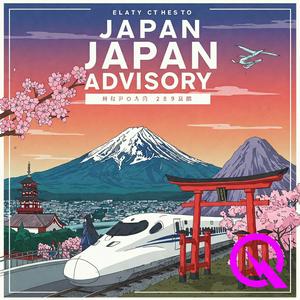 Descarga gratuita en la App Store
radio.net
Sleep timer
Favoritos
62 episodios
Japan Travel Safety 2026: Essential Tips for Navigating Weather Disruptions, Infrastructure Challenges, and Cultural Etiquette
21/1/2026 | 3 minJapan remains one of the safest destinations in the world, currently holding a Level 1 travel status from the U.S. State Department, which is reserved for the safest countries on earth. However, travelers should be aware of several important precautions and recent developments as they plan their trips.
Current weather conditions are affecting travel significantly. Severe winter weather including heavy snowfall across northern and central Japan has triggered widespread travel disruptions as of today. Northern regions like Nikubetsu are experiencing extreme cold with temperatures dropping to minus 24 degrees Celsius, while Tokyo is unusually warm at around 15 to 16 degrees. Listeners planning winter visits should build flexibility into their schedules and monitor weather updates regularly via smartphone.
A notable infrastructure concern affecting the Tokyo area involves recent power failures on major JR train lines. Travelers are advised to have backup route options when navigating the city's rail system. Additionally, according to information from travel safety resources, Japan Airlines and other carriers have tightened safety regulations around mobile batteries following an incident on a South Korean flight. Portable batteries must now be kept under your seat or within easy reach during flights, with capacity limits of 160 watt hours, and they cannot be packed in checked baggage.
For those traveling from November 2026 onward, infectious disease precautions become increasingly important. If influenza activity resumes during the autumn to winter season, crowded environments like airports, long-distance trains, tourist sites, and shopping areas pose higher transmission risks. Basic precautions including masks in crowded places, frequent hand washing, and adequate hydration are recommended.
Typhoon season runs from May through October, with peak activity in August and September. Travelers should inquire with accommodations about evacuation procedures should warnings occur.
Safety in entertainment districts requires extra vigilance. The U.S. Department of State notes that physical assaults, theft, and drug-related incidents have occurred in nightlife areas including Roppongi, Kabuki-cho, Shibuya, and Ikebukuro. Women traveling alone should pay special attention during rush hours on subways, though women-only cars marked in pink are available.
For those planning visits during major holidays, be aware that specific dates in 2026 create significant overcrowding and price increases. The Coming of Age Day weekend around January 10 to 12, Golden Week in late April and early May, Obon Festival in August, Silver Week in September, and the New Year period from December 29 through January 3 all experience substantial travel disruptions and fully booked transportation.
Practical travel considerations include remembering that Japan drives on the left side of the road, the subway is the most convenient transportation in major cities with color-coded lines, and you should never photograph Japanese people without permission. Remove your shoes when entering museums, temples, and traditional houses. Cash payments should be placed on a tray rather than handed directly to staff.
Radiation concerns related to Fukushima are minimal for visitors—authorities advise simply avoiding travel within 12 miles of the facility, consistent with guidance from Australian, British, and American governments.
This content was created in partnership and with the help of Artificial Intelligence AIJapan 2026 Travel Guide: Your Essential Safety Tips for Navigating Visa Changes, Natural Hazards, and Cultural Etiquette
14/1/2026 | 4 minJapan remains one of the safest destinations for travelers in 2026, with the U.S. Department of State maintaining a Level 1 advisory, the lowest risk level reserved for the world's safest countries, according to the State Department's travel advisory page. The U.S. Overseas Security Advisory Council rates major cities like Tokyo, Osaka, Sapporo, Fukuoka, Nagoya, and Naha as low-threat for crime, though listeners should exercise caution in nightlife districts such as Roppongi, Kabuki-cho, Shibuya, and Ikebukuro, where reports of assaults, thefts, and drink-spiking have occurred. Japan's public transport shines as exceptionally safe, clean, and punctual, but avoid rush hour subways in big cities like Tokyo to sidestep overcrowding; women traveling alone can opt for pink-marked women-only cars during peak times, as recommended by JRailPass safety guides.
Natural hazards demand vigilance, as Japan is seismically active with frequent earthquakes—residents are drilled from childhood on responses, so familiarize yourself with your hotel's evacuation plan and follow public instructions. Typhoon season runs May to October, peaking in August and September; monitor smartphone alerts and build trip flexibility for delays, per JRailPass and Berkshire Hathaway Travel Protection advice. Volcanic activity persists at sites like Mount Fuji, Sakurajima, and others listed on the Japan National Tourism Organization's safe travel information page, which tracks tsunami warnings, eruption alerts, and J-Alert missile notifications. Recent weather events include a strong winter storm in early January 2026 hitting northern Japan's Tohoku region, disrupting trains like the Ou line between Aomori and Akita due to heavy snow, as reported in a Japan travel update video from January 11—check JR websites before heading north for skiing or mountain trips.
Entry rules have tightened for 2026 to enhance security and revenue. Citizens from 74 countries enjoy visa exemptions for short-term stays, but a Japan ESTA pre-screening system, akin to the U.S. version, is accelerating toward launch ahead of its original 2028 timeline at former Prime Minister Ishiba's urging—submit personal details, accommodations, and itineraries in advance, according to Toshi Guide's January 10 video on new entry rules. Unpaid medical bills over 10,000 yen starting fiscal 2026 can land you in a government database, potentially barring re-entry, while visa fees jump ninefold to about 28,000 yen, aligning with G7 norms after decades unchanged. The departure tax rises to 3,000 yen from July 1, and tax-free shopping rules for tourists get stricter November 1, possibly ending entirely later. Prohibited items like certain portable chargers or oversized batteries risk confiscation or entry denial, so double-check lists.
Cultural and practical precautions keep trips smooth. No health worries over food, water, or lingering Fukushima radiation—Tokyo levels pose negligible risk, far below an x-ray, and stay outside 20 kilometers if concerned, as advised by Australian, British, and U.S. governments via JRailPass. Tattoos bar entry to public onsens; wash fully before soaking, per Red Hair Travel tips. Etiquette essentials: never stick chopsticks upright in rice, pass cash on trays not hands, remove shoes in homes or temples, and skip eating on local trains. Drive on the left with seatbelts mandatory, yield to bikes, and avoid right-on-red turns, warns OSAC. China's recent travel warning on Japan has stirred buzz but shows minimal impact for Western travelers, with no broad safety shifts.
For peak avoidance in 2026, steer clear of January 10-12 post-New Year's crowds and February 21-23 around the emperor's birthday, as outlined by Japan Today. Buy travel insurance covering medical evacuations, given high-quality but potentially costly hospitals, and ensure passports cover your stay. Heed Smartraveller's zero-tolerance drug stance—traces in your system can lead to charges. With these steps, listeners can embrace Japan's serene streets, efficient rails, and stunning seasons confidently.
This content was created in partnership and with the help of Artificial Intelligence AIJapan Travel 2026 Safety Guide Reveals Key Updates for Tourists Navigating Entry Rules Earthquakes and Tourism Challenges
07/1/2026 | 4 minListeners, as of early 2026, the U.S. Department of State maintains a Level 1 Travel Advisory for Japan, advising to exercise normal precautions, marking it as one of the safest destinations worldwide with low violent crime rates and high public order. The U.S. Embassy in Japan echoes this, rating major cities like Tokyo, Osaka, Sapporo, Fukuoka, Nagoya, and Naha/Okinawa as low-threat for crime, while the Japan National Tourism Organization provides ongoing safe travel info including entry procedures and emergency tips. Japan ranks ninth safest globally and twelfth on the Peace Index, with Tokyo standing out for late-night walks and unattended belongings feeling secure, though the U.S. Overseas Security Advisory Council warns of caution in nightlife districts like Roppongi, Kabuki-cho, Shibuya, and Ikebukuro due to risks of assaults, thefts, and spiked drinks.
Recent updates heighten the need for awareness amid record tourism surges topping 40 million visitors in 2025, leading to new rules in 2026 that could snag unprepared travelers. A major Suica update rolls out in fall 2026 with Suica Teppay for long-term stays, but tourist cards may phase out, so check JRailPass guides for alternatives. Tokyo hotels now impose a tax hike with stays under 10,000 yen taxed at 100 yen, 10,000-15,000 yen at 100 yen wait no, stays between 10,000 and 15,000 yen at 100 yen and over at 200 yen, shifting to a 3% flat rate above 13,000 yen threshold, while Kyoto lodging taxes adjust similarly, potentially making some spots cheaper but book early as New Year's Shinkansen from late December to early January turns reservation-only amid nationwide crowds.
Earthquakes pose the top natural risk, with a Safe Destinations advisory updated January 6, 2026, highlighting recent quakes and tsunamis, urging flexibility as aftershocks disrupt transport like trains in affected areas—postpone trips to shaken regions if unbooked. In Hokkaido, 2025 saw 13 bear attack deaths and over 100 injuries near Sapporo and Akita, so stay vigilant in northern wilds and report sightings. Winter brings dry air fueling flu and coronavirus spikes, so wash hands, mask up, and use throat lozenges, per Tokyo travel vlogs.
Entry rules tighten: unpaid medical bills over 10,000 yen from fiscal 2026 can bar future visits, pushing mandatory travel insurance, while Japan Customs bans checked mobile batteries over 160Wh—keep them accessible under seats after a Korean flight fire incident. Littering now fines 2,000 yen in tourist spots, with Osaka's Dotonbori adding bins via tax funds, and Kyoto enforces luggage rules. Driving demands left-side caution, zero-tolerance DUI at 0.03 blood alcohol with up to 15-year prison risks, seatbelts mandatory, no right-on-red turns, and bikes rule roads—get a foreign driver sticker if renting.
Women, note women-only pink-marked subway cars during Tokyo rush hours to dodge rare groping. Radiation from Fukushima stays safe per Australian, British, and U.S. advisories—avoid within 20km, but Tokyo levels pose no trip-long cancer risk. Geopolitical ripples like Japan-China tensions mean Ueno Zoo pandas return January 26, 2026, packing crowds. JNTO and embassy stress valid passports for your stay, no visa for many short trips, and local etiquette: no subway eating, tray cash payments, shoe removal in homes, no unpermitted photos.
Japan rewards the prepared with serene bullet trains, illuminations, and rural hacks, but ignore these precautions at your peril—stay insured, flexible, and rule-savvy for a seamless adventure.
This content was created in partnership and with the help of Artificial Intelligence AIJapan Travel 2026: Essential Safety Tips, Entry Rules, and Tourism Changes for Smooth International Visits
03/1/2026 | 3 minJapan maintains a Level 1 travel advisory from the U.S. Department of State, meaning exercise normal precautions, as it's one of the safest countries for travelers, with low crime threats in major cities like Tokyo, Osaka, Sapporo, Fukuoka, Nagoya, and Naha/Okinawa according to the OSAC Japan Country Security Report and Berkshire Hathaway Travel Protection assessments. Listeners planning trips in early 2026 should note record-breaking tourist numbers exceeding 40 million in 2025, leading to overcrowding in hotspots like Tokyo, Kyoto, and Mount Fuji, prompting new policies for stricter entry rules, tourism taxes, and visitor management to promote sustainable tourism as reported by Travel and Tour World. The U.S. Embassy in Japan echoes this Level 1 status, advising vigilance in nightlife districts such as Roppongi, Kabuki-cho, Shibuya, and Ikebukuro where assaults, thefts, and drink spiking have occurred per OSAC.
Recent updates from MegLog from TOKYO videos highlight critical changes affecting 2026 travel: Suica cards, essential for trains, will introduce a major code payment system and Suica Teppay for long stays starting fall 2026, while Welcome Suica options remain for short-term visitors; New Year's Shinkansen from late December to early January will be reservation-only between Tokyo, Osaka, and Kyoto amid nationwide congestion, with higher hotel prices and traffic jams. Tokyo's hotel tax is rising, Kyoto plans lodging tax hikes, and baggage rules on Shinkansen and in Kyoto are stricter, alongside trash bin shortages and new disposal rules in busy areas. Winter brings flu and COVID risks in dry air—stock masks and throat lozenges from Daiso stores—plus slippery snow in Hokkaido requiring traction shoes and snow tires for rentals; transportation delays from weather are common.
Entry rules for 2026 remain straightforward per MegLog from TOKYO: visa exemptions for citizens of 74 countries up to 90 days, use Visit Japan Web for faster customs; pack mobile batteries under seats only, capacity under 160Wh, no checked baggage for them following a South Korean flight fire incident; ban weapons like knives or stun guns, check Japan Customs site for items. Japan National Tourism Organization's safe travel info stresses passport validity for your stay, no tattoos in public onsens, and etiquette like removing shoes in homes, ryokans, museums; don't stick chopsticks in rice, place cash on trays, avoid eating on subways, and get photo permission from locals as detailed by Red Hair Travel.
Natural hazards demand preparation: recent earthquakes disrupted transport with suspensions, delays, and aftershocks, so monitor regions and build flexibility into plans, postponing if needed per MegLog alerts; typhoons, volcanoes, and left-side driving challenge visitors—bicycles have right-of-way, no right-on-red turns, seatbelts mandatory, get a foreign driver sticker for rentals advises Berkshire Hathaway. New entry denial risks arise from unpaid medical bills over 10,000 yen starting fiscal 2026, pushing mandatory travel insurance; overtourism measures include peak-season entry taxes and digital border screening for security. Ueno Zoo's pandas return to China by January 26, 2026, causing crowds—book ahead. JNTO and U.S. Embassy recommend official channels for real-time updates, ensuring responsible travel amid Japan's evolving rules for a smooth, secure visit.
This content was created in partnership and with the help of Artificial Intelligence AIJapan Travel Guide 2025: Safety Tips for Winter Weather, Earthquakes, and Tourism Amid Seasonal Challenges and Emerging Risks
31/12/2025 | 3 minListeners, as you plan your trip to Japan right now at the end of 2025, the U.S. State Department maintains a Level 1 travel advisory for Japan, indicating normal precautions are sufficient overall, with no broad restrictions, though they urge monitoring local conditions like recent seismic activity according to the U.S. Embassy in Japan. Heavy snow, strong winds, and rough seas are disrupting transport across northern and western regions through late December, with the Japan Meteorological Agency issuing warning-level alerts for blizzard conditions in Hokkaido, Tohoku, Hokuriku, Kinki, and San’in areas, where snow could pile up to 50-70 centimeters quickly, making roads impassable and causing air and rail delays as reported by Travel and Tour World on December 27. A magnitude 7.6 earthquake struck off Aomori Prefecture on December 8, triggering a tsunami warning that has since lifted, with most train services restored by December 30 per Japan Guide and the U.S. Embassy alert, but minor disruptions lingered in areas like the JR Hachinohe Line.
To stay safe amid these dynamic winter hazards, check the Japan Meteorological Agency’s official warnings frequently for real-time updates on snowfall, winds, and marine conditions, and build extra time into your itinerary for potential cancellations of flights, ferries, or Shinkansen during peak holiday periods when non-reserved seating may be suspended, as highlighted in recent traveler advisories from YouTube travel guides. If driving, stick to rules, drive on the left, respect the 100 km/h limit, and request an "I am a foreign driver" sticker for rentals to gain space from locals, advises Berkshire Hathaway Travel Protection, while avoiding mountain passes prone to snowdrifts and blizzards. Coastal travelers should skip ferries and boat trips until seas calm, as high waves threaten storm-level conditions along the Sea of Japan side.
Health-wise, Japan sees surging tourism with 3.89 million visitors in October 2025 alone, up 17.6 percent, prompting new precautions like masking in crowds, frequent handwashing, and flu shots lasting up to five months, plus awareness of rising Severe Fever with Thrombocytopenia Syndrome cases and record bear attacks—over 120 incidents from January to September, the deadliest year on record—especially in rural Hokkaido forests, according to Toshi Guide Trip video updates. Petty crime like pickpocketing is low but ticking up against foreigners, notes Canada’s Travel.gc.ca, so stay vigilant in crowds and never leave drinks unattended per Australia’s Smartraveller. Kyoto pushes hands-free sightseeing to combat overtourism, discouraging big luggage on buses to ease congestion.
Ongoing risks include Fukushima’s restricted radiation zones—heed local bans—and seasonal snowstorms or avalanches in Honshu and Hokkaido through March, with typhoons possible into October though less urgent now, as detailed by JNTO’s Japan Safe Travel Information and Government of Canada advisories. No COVID-19 entry rules apply per the U.S. Embassy’s Welcome Back to Japan page, but consult travel clinics for personalized advice on measles, Japanese encephalitis if hiking rural areas, or repellents against ticks and mosquitoes. For emergencies, monitor JNTO’s app for seismic intensity 5-plus quakes, all tsunamis, level 3-plus volcanic alerts, and J-alerts on missiles or fires.
Japan remains one of the world’s safest destinations, ranking ninth in Berkshire Hathaway’s 2025 safest places for Americans, but these timely precautions—prioritizing official apps, flexible plans, and awareness of weather, wildlife, and crowds—will keep your journey secure and seamless amidst late 2025’s challenges.
This content was created in partnership and with the help of Artificial Intelligence AI
Más podcasts de Noticias
 Huevos Revueltos con PolíticaGobierno, Noticias, Noticias diarias
 Mañanas BLU con Néstor MoralesMúsica, Noticias
 CNN 5 CosasNoticias, Noticias diarias
 Tercera VueltaNoticias
 A Fondo Con María Jimena DuzánNoticias, Política
 The DailyNoticias, Noticias diarias
 El hiloNoticias, Cultura y sociedad, Política
 La LuciérnagaHumor, Noticias, Noticias diarias
 El café de hoyNoticias, Noticias diarias
 PresuntoEducación, Noticias, Política
Podcasts a la moda de Noticias
 Los DanielesNoticias, Noticias diarias, Comentando la noticia, Política
 C dans l'airNoticias, Cultura y sociedad
 En casa de HerreroNoticias, Política
 Contexto y OpiniónNoticias, Comentando la noticia
 The Rest Is Politics: USGobierno, Noticias, Política
 Hora 14Noticias, Noticias diarias
 La Hora de la VerdadNoticias, Noticias diarias, Comentando la noticia, Política
 La VentanaNoticias, Noticias de entretenimiento
 PivotNoticias, Tecnología, Comentando la noticia
 Pod Save AmericaNoticias, Política
 The Rest Is PoliticsGobierno, Noticias, Política
 Les Grandes GueulesNoticias, Comentando la noticia
 NHKラジオニュースNoticias
 Les Grosses TêtesHumor, Noticias, Noticias de entretenimiento
 The New Yorker Radio HourArte, Noticias, Libros, Comentando la noticia, Política
 Boekestijn en De WijkNoticias
 O AssuntoNoticias
 Noticias del día en Colombia - BLU RadioNoticias
 The Journal.Noticias, Noticias diarias
 Fareed Zakaria GPSNoticias
 The Political Scene | The New YorkerNoticias, Política
 L’Heure du MondeNoticias, Noticias diarias
 Pinky Promise con Karla DíazNoticias, Noticias de entretenimiento
 La Voz de César VidalNoticias, Comentando la noticia, Política
 Journal en français facile
 WSJ What’s NewsNoticias, Noticias diarias
 Today, ExplainedNoticias, Noticias diarias
 DW Actualidad en análisisNoticias, Noticias diarias
 Reuters World NewsNoticias, Noticias diarias
Acerca de Japan Travel Advisory
This is your Japan Travel Advisory podcast.Discover essential travel insights with "Japan Travel Advisory," your go-to podcast for the latest warnings, traveler news, and travel advisories about Japan. Stay informed about local regulations, seasonal alerts, and cultural nuances to ensure a safe and enjoyable journey. Whether you're planning to explore bustling Tokyo or the serene landscapes of Kyoto, our expert advice will help you navigate your trip with confidence. Tune in to "Japan Travel Advisory" and make the most of your Japanese adventure while staying updated on the critical travel information you need.For more info go to https://www.quietplease.aiOr check out these tech deals https://amzn.to/3FkjUmw
Sitio web del podcastEscucha Japan Travel Advisory, Huevos Revueltos con Política y muchos más podcasts de todo el mundo con la aplicación de radio.net
Descarga la app gratuita: radio.net
- Añadir radios y podcasts a favoritos
- Transmisión por Wi-Fi y Bluetooth
- Carplay & Android Auto compatible
- Muchas otras funciones de la app
Descarga la app gratuita: radio.net
- Añadir radios y podcasts a favoritos
- Transmisión por Wi-Fi y Bluetooth
- Carplay & Android Auto compatible
- Muchas otras funciones de la app

Japan Travel Advisory
Escanea el código,
Descarga la app,
Escucha.
Descarga la app,
Escucha.
 Colombia