
Escucha gratis este podcast en la aplicación: Descarga gratuita en la App Store
radio.net
Sleep timer
Favoritos
174 episodios
Learning Agriculture at the State Fair: From Calving Cows to Inspiring Future Veterinarians
16/10/2026 | 24 minRecorded live at the Kansas State Fair birthing center, this episode highlights the educational value of exposing the public to livestock production and animal health. The hosts discuss how the birthing center allows visitors to observe the calving process firsthand while learning about normal births, signs of labor, and situations that may require veterinary intervention. Through stories from veterinarians, listeners hear memorable examples of unusual calving cases, including prolapses, difficult births, and even a rare two-headed calf.
The episode also features conversations with fair attendees, livestock producers, FFA educators, veterinary students, and practicing veterinarians. One cattle producer describes how careful genetic selection and retaining ownership of cattle allow him to improve carcass quality and capture more value from his herd. An FFA advisor explains how state fair projects motivate students, build agricultural skills, and expose young people to opportunities in animal agriculture.
Veterinary students and recent graduates discuss career paths, emphasizing the value of hands-on experience, mentorship, and exploring different areas of veterinary medicine. The conversation highlights the diversity of mixed-animal veterinary practice, where a single day may involve cattle, companion animals, horses, or exotic species.
A recurring theme throughout the episode is workforce development and the importance of introducing young people to agriculture and veterinary medicine early in life. The hosts emphasize that creating enthusiasm through hands-on experiences, demonstrations, and educational outreach may be one of the most effective ways to inspire the next generation of agricultural professionals. The episode concludes with the successful birth of a calf at the birthing center, providing a live example of the natural processes and educational opportunities that make the exhibit such a valuable feature of the state fair.Managing Bred Heifers and Stretching Forage: Preparing for a Successful Calving Season
09/10/2026 | 25 minSponsored by Elanco, with guest Dr. Frank White, this episode focuses on two critical topics for cow-calf producers: managing bred heifers and maximizing forage utilization during challenging grazing conditions. The discussion emphasizes that first-calf heifers are among the most nutritionally demanding animals in the herd because they are still growing, carrying a calf, and preparing for lactation and rebreeding. As a result, maintaining a body condition score of approximately six at calving is highlighted as a key management goal to improve reproductive success and shorten the postpartum interval.
The hosts discuss the benefits of managing bred heifers separately from mature cows whenever possible, allowing producers to meet their higher nutritional requirements and reduce competition from older, dominant animals. When separate management is not feasible, they recommend increasing access to feed and supplements to ensure younger females are not pushed away from resources.
A major portion of the conversation addresses forage efficiency during drought and periods of declining forage quality. The speakers explain that cattle producers are really feeding the rumen microbes, which require adequate protein to digest low-quality forage effectively. When forage protein drops below critical levels, intake and digestibility decline, reducing the amount of nutrition cattle can obtain from available forage. Strategic protein supplementation can significantly improve forage utilization by supporting microbial activity in the rumen.
The group also notes that protein supplementation does not always need to occur daily, as cattle can recycle nitrogen and often maintain performance with less frequent feeding schedules. However, they caution that animals requiring significant weight gain or body condition improvement may need more intensive nutritional management. Overall, the episode stresses the importance of planning ahead, monitoring body condition early, and using nutrition strategically to position cattle for long-term success.Lessons from the Birthing Center: Calving, Education, and Inspiring Future Agricultural Leaders
02/10/2026 | 26 minRecorded live at the Kansas State Fair Birthing Center, this episode highlights the educational value of giving the public a firsthand look at animal agriculture and the birthing process. The hosts discuss how the birthing center has served as a popular attraction for decades, allowing visitors to observe calves, piglets, and lambs being born while learning more about animal health and livestock production.
The conversation explores the signs of impending calving, including behavioral changes, relaxation of structures around the tailhead, and the progression of labor. The veterinarians explain how they determine when a cow may need assistance and discuss common causes of calving difficulty, such as abnormal calf positioning. Throughout the episode, listeners receive practical insights into gestation lengths, fetal development, and the biological similarities between livestock and human births.
A major focus of the discussion is agricultural education and youth involvement. FFA advisor Mrs. Chase from Wellington shares how projects at the state fair help students develop agricultural skills, showcase their work, and gain exposure to industries they might not otherwise experience. The hosts also discuss strategies for encouraging students to consider careers in veterinary medicine and agriculture, emphasizing mentorship, hands-on experience, and a willingness to start with basic tasks and learn over time.
The episode concludes with a successful live birth at the birthing center, giving listeners a real-time example of normal calving behavior. As the newborn calf arrives and the cow immediately begins grooming it, the hosts explain how those maternal behaviors help stimulate the calf, encourage standing and nursing, and strengthen the bond between cow and calf. Overall, the discussion celebrates the value of agricultural outreach, hands-on learning, and helping the public better understand where livestock and food production begin.Antibiotics, Antimicrobials & Recovery: New Insights in Beef Cattle Health
25/09/2026 | 25 minIn this episode of Cattle Chat, the team discusses post-treatment intervals for cattle treated for respiratory disease, featuring graduate research from our guest Katherine Shirley comparing three- and six-day intervals. The results suggest that allowing cattle more time to recover before retreatment may reduce treatment failures and the likelihood of chronic issues.
The conversation also explores the distinction between antibiotics and antimicrobials, antimicrobial resistance, and emerging alternatives such as probiotics, prebiotics, essential oils, plant extracts, and other natural compounds. The group discusses research into alternatives for rumen health and liver abscess prevention, including promising work with sorghum extracts. Throughout, the experts emphasize that successful cattle recovery involves more than drug selection—it also depends on nutrition, environment, comfort, and proper nursing care.
This episode is sponsored by Virbac. Learn more at virbac.comSetting Calves Up for Success: Early-Life Health, Vaccination, and Management
18/09/2026 | 25 minThis episode is sponsored by Boehringer Ingelheim and focuses on the importance of early calf health and how management decisions made before and shortly after birth can influence lifetime performance. The discussion emphasizes that calf success begins long before calving, with proper nutrition, body condition, and vaccination programs for cows playing critical roles in producing healthy, vigorous calves. Dr. D.L. Step highlights the importance of preparing cows to provide quality colostrum and a strong immune foundation for newborn calves.
The group discusses how pre-weaning disease can have long-term impacts on growth and productivity, making prevention a key management goal. Beyond vaccination itself, the speakers stress the importance of proper vaccine handling, including correct storage temperatures, avoiding disinfectant residues in syringes, and using modified-live vaccines within the recommended time after mixing. Mishandling vaccines can reduce their effectiveness even when the correct products are selected.
The conversation also explores the role of stress management in successful vaccination programs. Calves respond better when they are handled quietly, maintained on an adequate nutritional plane, and processed in low-stress environments. The speakers note that vaccine response is influenced not only by the product itself but also by calf age, maternal nutrition, colostrum intake, and overall herd management.
A recurring theme is the value of recordkeeping, which allows producers to evaluate outcomes, identify trends, and continuously improve their health programs over time. Ultimately, the episode concludes that successful calf health programs rely on combining sound nutrition, effective vaccination practices, careful handling, and long-term management planning rather than relying on any single intervention.
Más podcasts de Ciencias








Podcasts a la moda de Ciencias















Acerca de Cattle Chat
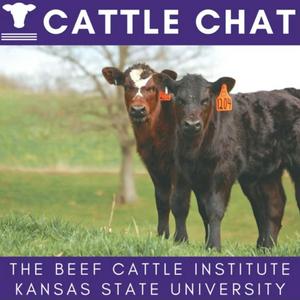
Listen to veterinary professionals from the Beef Cattle Institute at Kansas State University talk about a variety of topics within the beef industry.
Sitio web del podcastEscucha Cattle Chat, La Ciencia Pop y muchos más podcasts de todo el mundo con la aplicación de radio.net
Descarga la app gratuita: radio.net
- Añadir radios y podcasts a favoritos
- Transmisión por Wi-Fi y Bluetooth
- Carplay & Android Auto compatible
- Muchas otras funciones de la app
Descarga la app gratuita: radio.net
- Añadir radios y podcasts a favoritos
- Transmisión por Wi-Fi y Bluetooth
- Carplay & Android Auto compatible
- Muchas otras funciones de la app

Cattle Chat
Escanea el código,
Descarga la app,
Escucha.
Descarga la app,
Escucha.
Cattle Chat: Podcasts del grupo
 Colombia