
Escucha gratis este podcast en la aplicación: Descarga gratuita en la App Store
radio.net
Sleep timer
Favoritos
152 episodios
Why Community Beats Followers (And How to Build One) | Jayson Gaignard | 151
22/10/2026 | 1 h 27 minDo you want to know how to get into rooms with people who are several levels above you?
Jayson Gaignard is the reason about 50 of my favorite entrepreneur friends are in my life. He’s the founder of Mastermind Talks, an invite-only community for entrepreneurs, and the author of Community Made, which breaks down exactly how to build those key relationships yourself.
In this episode, Jayson shares how to find your people, invest in them, and ask for help. We get into how to host your own event when you can’t get an invite, the three ways to get access to people above your level, and why “How can I help?” is the wrong question to ask.
If you want to build relationships with people you admire, this is the episode to watch.
Timestamps:
00:00 Introduction
01:23 How Jayson connected Nathan to 50 entrepreneur friends
02:15 Why Jayson wasn't always a super connector
02:57 The loneliness that led to Mastermind Dinners
04:14 Never beg for a seat when you can build your own table
05:29 Why the host gets the most status in the room
06:14 Lower-lift ways to bring people together
06:49 How Summit Series started with a ski trip
08:57 Start with the easiest yes
09:28 The anchor tenant strategy
10:27 Nathan's author mastermind with James Clear
11:06 Partnering to host the room
12:35 Organizing a team to play above your level
13:21 Will Guidara's gratitude for being invited
14:51 Buying access and the speed of relationships
15:43 Money, moxie, and service
15:58 Andrew Wilkinson's $57,000 lunch with Bill Ackman
17:58 Moxie and the power of cold emails
19:30 The man who stood up Mark Zuckerberg
20:45 Nathan chickens out of meeting his heroes
22:55 Eight seconds of courage
24:02 Leaving energy vs. lingering energy
24:47 Nathan's 45-second intro to Chris Brogan
25:44 How a quick hello led to a call with Steven Bartlett
27:06 Why you shouldn't put people on a pedestal
27:53 Abundance vs. scarcity when meeting people
29:47 Service and Ryan Holiday's apprenticeship
31:20 Why Benjamin Graham told Warren Buffett he was overpriced
31:58 Why "How can I help?" is the wrong question
32:18 How Jayson built a relationship with Shep Gordon
33:12 How to offer help that's actually specific
36:00 The relationships that weigh you down
38:55 Why all relationships go dormant naturally
39:45 Why entrepreneurs and creators feel isolated
41:17 Craft + Commerce as an annual pilgrimage
42:35 Conferences vs. masterminds vs. communities
46:00 Conversations that normally take years
48:00 Do great work and your network will find you
49:55 How great work raises your hit rate
51:54 Why you're not ready for Diary of a CEO
53:35 Putting in the reps on camera
54:28 Ramit Sethi's advice on media training
56:39 Increasing your surface area of luck
59:38 Jayson's friends-only email updates
1:02:06 The email that saved MMT in 2020
1:04:59 Who to include on your update list
1:05:50 Nathan's missing annual review
1:07:22 The 90-minute quarterly update
1:08:17 A fan base vs. a community
1:09:59 Curating like the bouncer at the club
1:10:36 Kit's triads and MMT's MM3s
1:15:00 People come for content, stay for community
1:15:47 The ask, give, praise model
1:18:26 How praise reinforces the value of the network
1:21:02 Praise cards mailed 90 days later
1:24:18 Why the book is called Community Made
1:27:06 Final thoughts
If you enjoyed this episode, please like and subscribe, share it with your friends, and leave a review. I read every single one.
Learn more about the podcast: https://nathanbarry.com/show
Follow Nathan:
Instagram: https://www.instagram.com/nathanbarry
LinkedIn: https://www.linkedin.com/in/nathanbarry
X: https://twitter.com/nathanbarry
YouTube: https://www.youtube.com/@thenathanbarryshow
Website: https://nathanbarry.com
Kit: https://kit.com
Follow Jayson:
Instagram: https://www.instagram.com/jaysongaignard
X: https://x.com/jaysongaignard
LinkedIn: https://www.linkedin.com/in/jaysongaignard
Website: https://www.jaysongaignard.com
Featured in this episode:
Kit: https://www.kit.com
MMT: https://mmt.community
Community Made: https://communitymade.com
Highlights:
02:22 Jayson had two people at his bachelor party
24:02 Leaving energy vs. lingering energy
49:55 Why great work changes your hit rate on everything
1:02:06 The friends-only email that saved MMT
1:21:02 The praise cards Jayson mails out 90 days laterAI Can't Copy This: Why Every Creator Needs an Origin Story in 2026 | Philip McKernan | 150
15/10/2026 | 1 h 19 minThe story you leave out of your content could be the reason someone connects with your work.
I sat down with Philip McKernan, author of One Last Talk, who has helped Olympians and World Cup athletes and consulted with the US Army and the Pentagon. We get into why your origin story matters, how to recognise the gifts you undervalue, and why the fear that drives success can eventually become exhausting. Philip walks me through his framework connecting story, gift, and impact, then coaches me live through my discomfort with promoting my upcoming book. A simple drawing exercise leads to a challenge I wasn’t expecting about who I’m letting down by holding back.
If you’re building a personal brand but feel uncomfortable sharing your story or promoting your work, I think you’ll get a lot out of this conversation.
Timestamps:
00:00 Introduction
02:00 The business pitch that needed a personal story
07:00 Philip’s own origin story
11:00 Helping an athlete reconnect with his purpose
17:00 Finding the gift you overlook
21:00 When fear-driven ambition becomes exhausting
24:00 Why I’m not afraid of my business disappearing
34:00 Buying a castle when business was down 95%
38:00 Building a better relationship with yourself
40:00 Why asking for help feels uncomfortable
43:00 Philip coaches me through a drawing exercise
47:00 The challenge I wasn’t expecting
54:00 Why being visible can feel frightening
57:00 An exercise to uncover your story
1:03:00 Understanding what your happiest days reveal
1:09:00 Learning from your darkest days
1:16:00 How sharing your story creates connection
1:18:00 Final thoughts and where to find Philip
If you enjoyed this episode, please like and subscribe, share it with your friends, and leave a review. I read every single one.
Learn more about the podcast: https://nathanbarry.com/show
Follow Nathan:
Instagram: https://www.instagram.com/nathanbarry
LinkedIn: https://www.linkedin.com/in/nathanbarry
X: https://twitter.com/nathanbarry
YouTube: https://www.youtube.com/@thenathanbarryshow
Website: https://nathanbarry.com
Kit: https://kit.com
Follow Philip:
Instagram: https://www.instagram.com/philip_mckernan/
LinkedIn: https://www.linkedin.com/in/philip-mckernan
YouTube: https://www.youtube.com/@philipmckernan
Website: https://philipmckernan.com
Featured in this episode:
Kit: https://kit.com
One Last Talk: https://onelasttalk.com
The Ladders of Wealth: https://www.simonandschuster.com/books/The-Ladders-of-Wealth/Nathan-Barry/9798893312393
Highlights:
02:00 The business pitch that needed a personal story
21:00 When fear-driven ambition becomes exhausting
43:00 Philip coaches me live
47:00 Why we undervalue our own work
57:00 An exercise to uncover your storyThe #1 Way to Grow Your Audience in 2026 | Domonkos Eross | 149
08/10/2026 | 1 h 8 minMost creators try to grow by posting more. More content, more platforms, more hours. But the biggest creators and thought leaders grow in a very different way, and most of it happens behind the scenes.
I sat down with Domonkos "Doma" Eross, founder of Flowin, a creative agency for thought leaders, to talk about what actually drives audience growth right now. We get into his seven strategic steps to succeed as a thought leader, why creator partnerships are the number one source of growth in the creator economy, and Doma’s outreach technique for landing dream clients.
If you've ever wanted to know the systems the biggest creators use to consistently grow their audiences, I think you'll get a lot out of this conversation.
Timestamps:
00:00 Introduction
01:33 How Doma started working with thought leaders
03:03 Why direct outreach works
03:33 The Manchester United cold email
05:05 Why a well-packaged pitch gets attention
06:49 Using credibility to get past the first filter
08:06 How office hours turned into clients
09:13 Leaving energy vs lingering energy
10:13 Why curiosity beats a target list
11:59 How your network compounds
12:54 The seven steps to succeed as a thought leader
13:18 Step 1: Develop exceptional knowledge first
14:17 Step 2: Define your mission and theory of change
16:19 Step 3: Build an ecosystem strategy
18:21 Matching your ecosystem to how you make money
19:51 Step 4: Turn your ideas into the right content
21:18 Protecting clients from the wrong projects
22:38 Step 5: Build the right team
23:12 Why team size and influence don't correlate
24:55 How James Clear decides what to work on
26:32 Building a team around impact
28:26 The most surprising role on a thought leader's team
30:53 What thought leaders know about saying no
32:17 Focus on your craft and outsource the rest
33:22 Step 6: Creator partnerships, the #1 source of growth
35:14 Why Creator Network works better than list swaps
37:19 How partnerships work at a smaller scale
39:00 How much growth Creator Network drives
40:27 Why partnerships are a win-win
41:22 Set up partnerships before your podcast episode airs
44:27 Why the creator economy isn't competitive
46:32 What Doma has learned from his clients
47:57 Step 7: Build and perfect your organic channels
48:13 Why your newsletter is the only channel you own
49:56 Building a newsletter that sounds like you
53:05 The three phases of a book launch
54:15 Teasing your book in your newsletter
55:26 Why you need to book podcasts months ahead
56:08 The concentrated strike approach
56:34 How to pitch the biggest podcasts
58:48 Which podcasts actually sell books
59:50 The people behind podcast bookings
1:01:36 Using a live event to launch a book
1:03:37 How Doma runs Flowin
1:05:08 Why Doma doesn't want to scale
1:06:40 Final thoughts
If you enjoyed this episode, please like and subscribe, share it with your friends, and leave a review. I read every single one.
Learn more about the podcast: https://nathanbarry.com/show
Follow Nathan:
Instagram: https://www.instagram.com/nathanbarry
LinkedIn: https://www.linkedin.com/in/nathanbarry
X: https://twitter.com/nathanbarry
YouTube: https://www.youtube.com/@thenathanbarryshow
Website: https://nathanbarry.com
Kit: https://kit.com
Follow Doma:
LinkedIn: https://www.linkedin.com/in/domonkoseross
Website: https://flowin.consulting
Featured in this episode:
Kit: https://www.kit.com
Flowin: https://flowin.consulting
Highlights:
03:33 The Manchester United cold email
13:18 Why thought leadership is the result, not the goal
24:55 How James Clear decides what to work on
33:22 The #1 source of growth in the creator economy
53:05 The three phases of a book launchHow to Build an Unforgettable Personal Brand | Chris Do | 148
01/10/2026 | 1 h 8 minPersonal brand has become one of the biggest buzzwords in the creator world. Creators everywhere are launching offers, building funnels, and posting consistently, yet very few are creating something people actually remember.
I sat down with Chris Do, Emmy award-winning designer and founder of The Futur, to talk about what it really takes to build a personal brand that stands out. We get into why most creators end up serviceable but forgettable, why branding comes down to differentiation, and the three-part framework behind brands people obsess over. Chris also shares why the real work of personal branding happens internally, how to find your voice phrase, and the trust triangle that decides who audiences believe. Partway through, he turns the interview around and starts coaching me, and we go much deeper than I expected.
If you're building a personal brand and wondering why it isn't resonating yet, I think you'll get a lot out of this conversation.
Timestamps:
00:00 Introduction
01:39 What it means to un-bland yourself
02:48 Why branding is all about differentiation
03:04 Why Apple has a brand and Dell doesn't
04:31 How status and identity drive what we buy
07:29 How Target built a brand
10:42 How Kit positions its brand
11:44 Moving from features to meaning
14:11 Why most personal brands are really marketing funnels
16:11 Why personal brand work is internal
16:26 How we lose who we really are
19:04 Chris starts asking the questions
20:24 How getting sick at 24 changed Nathan's identity
21:51 Why we tie our identity to what we do
23:03 Who are you outside of your work?
23:36 Why you are the gift
25:51 How Chris answers "who are you?"
26:36 The difference between design and art
28:45 Why being true to yourself comes first
29:45 Nathan's mission
32:24 Why Chris moved from commercial work to content
33:36 Why your brand needs to stand against something
35:44 Finding your keyword and your nemesis
37:03 Why the best heroes have great enemies
40:39 The three-part personal brand framework
41:49 Chris's own brand triangle
42:33 Workshopping Nathan's personal brand
43:30 Separating who you are from your company
44:44 The story behind Chris's mission
47:25 Why all strategy is autobiographical
48:13 Nathan on feeling like a burden
49:29 Nathan's story about his stepdad
53:49 Chris's read on Nathan's story
56:36 Finding Nathan's rallying cry
59:28 Learning to accept help
1:01:26 Why we trust people who aren't perfect online
1:02:00 The trust triangle
1:04:52 How to find your voice phrase
1:08:21 Final thoughts
If you enjoyed this episode, please like and subscribe, share it with your friends, and leave a review. I read every single one.
Learn more about the podcast: https://nathanbarry.com/show
Follow Nathan:
Instagram: https://www.instagram.com/nathanbarry
LinkedIn: https://www.linkedin.com/in/nathanbarry
X: https://twitter.com/nathanbarry
YouTube: https://www.youtube.com/@thenathanbarryshow
Website: https://nathanbarry.com
Kit: https://kit.com
Follow Chris:
Instagram: https://www.instagram.com/thechrisdo
X: https://x.com/thechrisdo
LinkedIn: https://www.linkedin.com/in/thechrisdo
YouTube: https://www.youtube.com/@thefutur
Website: https://thefutur.com
Featured in this episode:
Kit: https://www.kit.com
The Futur: https://thefutur.com
Highlights:
03:04 Why Apple has a brand and Dell doesn't
14:11 Why most personal brands are really marketing funnels
40:39 The three-part framework behind Bryan Johnson's brand
49:14 Chris turns the interview around
1:05:17 How to find your voice phraseForget Courses, Sell This in 2026 To Make 7 Figures | Jasmine Star | 147
24/09/2026 | 1 h 12 minThe online business world is changing. People have more information than ever at their fingertips, and the business models that many creators started out selling aren't converting the way they used to.
I sat down with Jasmine Star to talk about why traditional courses and memberships are becoming harder to sell, and the new hybrid offer model she now teaches her clients. We get into how to build offers around specific customer results, how to find out what people will actually pay for before you build, and Jasmine’s four-step framework for building a consistent $10K/month business. She also shares how she delivers high-touch coaching at scale, and the best ways to build trust with your audience in today’s “trust recession”.
If you’re building an online business and wondering what types of offers still work in today’s crowded online space, I think you’ll get a lot out of this conversation.
Timestamps:
00:00 Intro
01:18 Jasmine’s first digital offer
04:00 How her $197 course made $255K
04:40 Why she built a membership
06:22 The problem with traditional memberships
08:28 Building Social Curator
10:27 The creator economy after 2020
12:07 Why courses and memberships stopped working
13:12 The hybrid offer
16:40 How to price an offer
20:02 Turning coaching into a scalable offer
22:27 Who the offer is for
24:28 The 90-day $10K offer
26:30 The $4K Freedom Formula
29:32 How to keep clients accountable
33:50 Why asynchronous coaching works
35:36 Scaling coaching to hundreds of clients
39:25 How to market the offer
44:01 Using webinars to sell
47:13 Why long-form content is coming back
50:04 Measuring content performance
52:43 How Jasmine met Nathan
53:41 How to get high-value clients
55:29 Creating an offer people will pay for
59:55 Finding the right audience
1:00:49 Getting your messaging right
1:04:26 Finding your customer's pain point
1:06:10 Using DMs to build trust
1:09:38 Building a personal brand
1:11:48 Final thoughts
If you enjoyed this episode, please like and subscribe, share it with your friends, and leave a review. I read every single one.
Learn more about the podcast: https://nathanbarry.com/show
Follow Nathan:
Instagram: https://www.instagram.com/nathanbarry
LinkedIn: https://www.linkedin.com/in/nathanbarry
X: https://twitter.com/nathanbarry
YouTube: https://www.youtube.com/@thenathanbarryshow
Website: https://nathanbarry.com
Kit: https://kit.com
Follow Jasmine:
Instagram: https://www.instagram.com/jasminestar
Website: https://www.jasminestar.com
X: https://x.com/jasminestar
LinkedIn: https://linkedin.com/in/jasmine-star
YouTube: https://www.youtube.com/@officialjasminestar
Featured in this episode:
Kit: https://www.kit.com
Social Curator: https://www.socialcurator.com
Highlights:
03:38 How Jasmine made $255,000 in five days
12:07 Why courses are no longer enough
17:31 How to find what people will actually pay for
33:50 People already have the information
36:15 Why Jasmine’s ROI guarantee isn't a money-back guarantee
Más podcasts de Economía y empresa





Podcasts a la moda de Economía y empresa













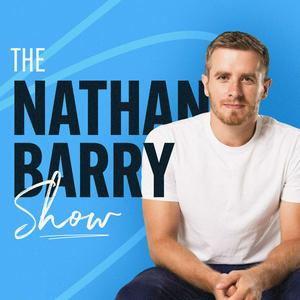
Acerca de The Nathan Barry Show
As the CEO of Kit, Nathan Barry has a front row seat to what’s working in the most successful creator businesses.
On The Nathan Barry Show, he interviews top creators and dives into the inner workings of their businesses in his live coaching sessions.
You get unique insight into how creator businesses work and what you can do to increase results in your own business.
One of the things Nathan is passionate about is helping you create leverage.
Creator Flywheels let you create many copies of yourself so you don’t get bogged down with the little things in your business. Flywheels will help you reach a place where you can focus on revenue instead of busywork.
Tune in weekly for new episodes with ideas and tips for growing your business. You’ll hear discussions around building an audience, earning a living as a creator, and Nathan’s insights on scaling a software company to $100M.
Learn how to get more results with less effort and:
Grow faster over time.
Work less hard over time.
Make more money over time.
Sitio web del podcastEscucha The Nathan Barry Show, MENTOR360 y muchos más podcasts de todo el mundo con la aplicación de radio.net
Descarga la app gratuita: radio.net
- Añadir radios y podcasts a favoritos
- Transmisión por Wi-Fi y Bluetooth
- Carplay & Android Auto compatible
- Muchas otras funciones de la app
Descarga la app gratuita: radio.net
- Añadir radios y podcasts a favoritos
- Transmisión por Wi-Fi y Bluetooth
- Carplay & Android Auto compatible
- Muchas otras funciones de la app
The Nathan Barry Show
Escanea el código,
Descarga la app,
Escucha.
Descarga la app,
Escucha.
 Colombia

