
Escucha gratis este podcast en la aplicación: Descarga gratuita en la App Store
radio.net
Sleep timer
Favoritos
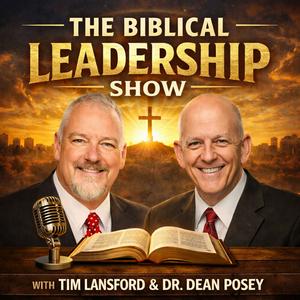
The Biblical Leadership Show
Tim Lansford and Dr. Dean Posey
Último episodio
138 episodios
How To Test Voices And Lead With Love
20/10/2026 | 31 minSend us Fan Mail
Not every voice that sounds certain deserves your trust and not every popular idea will make your team healthier. We open 1 John 4 with a leadership challenge that feels tailor-made for today’s noise: “test the spirits.” For us, that lands as discernment, due diligence, and the courage to slow down long enough to evaluate what is shaping our organizational culture, your church culture, or your workplace culture before you follow the crowd.
We talk about how real discernment is not cynicism. It is responsibility. It asks practical questions about long-term impact, not just short-term momentum. We also dig into a lesson every leader needs sooner or later: the majority can miss it, and one dissenting voice can save the whole decision. Creating a speak-up environment where people can disagree without fear is not a soft skill; it is a core leadership system.
Then we move into the most powerful turn in the chapter: God is love, and love shows up as action. We connect Christian leadership to measurable behaviors like consistency, tone, follow-through, and tangible care for people in crisis. If you’ve ever wondered how to lead with conviction without becoming harsh, or how to build trust without empty slogans, this conversation will give you language and next steps.
Subscribe for more biblical leadership principles, share this with a leader who needs it, and leave a review so more people can find the show. What is one “popular idea” you’ve had to test before adopting it?Identity Drives Culture
13/10/2026 | 35 minSend us Fan Mail
Identity is one of the most overlooked leadership tools, and it’s hiding in plain sight. We start with a single line from 1 John 3:1 about being called children of God, then pull that thread all the way into how teams work, how culture forms, and why people either grow or shrink under pressure.
We talk about what it means to lead people like they matter, not just manage performance like it’s a scoreboard. In church life that often shows up through small groups where people feel known and valued, and we translate that same principle into business leadership, employee engagement, and team building. When belonging is real, accountability gets healthier, feedback lands better, and people stop performing for approval and start owning the mission.
Then we push into expectations and the invisible limits leaders set. One story about “unsolvable” math problems reminds us how often the word impossible is taught, not discovered. We also share how a simple customer service moment can expose a deeper organizational culture problem, and why avoiding conflict today can create a much bigger mess later. Along the way, we keep it light with a stack of dad jokes, because leadership can be serious without being miserable.
If you care about Christian leadership principles, organizational culture, accountability, and practical ways to help people transform, not just comply, this one’s for you. Subscribe, share this with a leader on your team, and leave a review with the biggest culture lesson you’ve learned the hard way.Second Chances At Work Through 1 John 2
08/10/2026 | 31 minSend us Fan Mail
A single line from 1 John 2 can reshape how you lead on Monday morning: “we have one who speaks to the Father in our defense.” We sit with that idea of an advocate and ask what it looks like when we’re the ones responsible for a team, a church staff, or a business unit. Yes, standards matter. Yes, sin and mistakes matter. The leadership question is what we do next, and whether the person’s failure becomes their “last act” or the start of growth.
We walk through real-world decision points leaders face all the time: do you avoid conflict and hope problems disappear, correct someone with clear coaching, or move on when the same issue repeats again and again? We talk about setting expectations, training people well, and owning the ways miscommunication often starts at the top. From there we zoom out to the moments that reveal culture: when profit gets tight, do you still treat people like you value them, or does panic run the show? And when rumors start after a hard decision, how do you slow the gossip mill without breaking trust?
We also dig into telling the truth when it’s inconvenient, accepting accountability ourselves, and giving feedback the way we’d want to receive it. Then we connect leadership to customer service and hospitality with a simple story: if the music is so loud nobody can talk, leadership is happening, just not well. If you want practical biblical leadership, honest talk about accountability, and a few groan-worthy dad jokes along the way, press play, subscribe, share this with a leader you know, and leave us a review.Leadership Integrity Through The Lens Of 1 John
29/09/2026 | 37 minSend us Fan Mail
Contradiction kills trust faster than almost any leadership mistake, and 1 John doesn’t let us dodge that reality. We sit down with John’s opening chapter and its blunt, personal language “if we say” to explore the leadership gap between what we claim and how we actually live. Whether you’re leading a church team, a business, a volunteer group, or a family, we talk about why people can handle a leader who is learning, but they struggle to follow a leader whose words and actions don’t match.
We also get practical about culture and accountability. We share a memorable consequence idea involving Jelly Belly BeanBoozled and use it to make a bigger point: good leaders address patterns, set clear expectations, and create guide rails that remove confusion. Walking in the light isn’t pretending you have it all together, it’s refusing to hide, spin, or blame. Healthy leadership creates an environment where the truth can come out and be handled well, and that’s how strong teams grow.
Then we zoom out to one of the most common questions about forgiveness and faith practices: where communion comes from and why it matters. We connect the Lord’s Supper back to Passover in Exodus, the symbolism of the blood on the doorposts, and the meaning Jesus gives the bread and cup. Along the way we talk about forgiveness and consequences in leadership, including how to respond when mistakes cost real time, money, or trust. Subscribe, share this with a leader you care about, and leave a review with your favorite takeaway or your best dad joke.Lead With Light
22/09/2026 | 36 minSend us Fan Mail
Clarity is not the enemy of kindness. If anything, vague leadership is often the crueler option because it leaves people guessing, second-guessing, and quietly dividing into camps. On our third anniversary show, we open the book of First John and talk about why John’s message still lands with force: real faith produces real behavior, and real leadership refuses to hide behind smooth words.
We start with who John is and why that matters. He’s an eyewitness, a long-serving leader in the early church, and a person who pairs deep conviction with real compassion. That balance becomes a blueprint for biblical leadership and Christian leadership principles today, whether you lead a business team, a church, a family, or a volunteer group. We dig into accountability, discernment, and assurance, and we get practical about what it looks like to define reality without attacking people.
One line becomes a mirror for every leader: a leader who only reassures creates softness and confusion, while a leader who only corrects creates fear and exhaustion. John does both, and we explore how to do the same with simple language, clear mission, and a culture where your walk matches your talk. Along the way, we keep it light with a vintage 1977 dad joke book and a few classics, because healthy leadership can be serious without being sour.
If you want sharper focus, less confusion, and a leadership style grounded in truth and love, this conversation is for you. Subscribe for more, share this with a leader you respect, and leave a review so more people can find the show.
Más podcasts de Economía y empresa










Podcasts a la moda de Economía y empresa























Acerca de The Biblical Leadership Show
Inspiration. Wisdom. Leadership from a Higher Perspective.Welcome to The Biblical Leadership Show, your go-to resource for discovering timeless truths from Scripture that empower leaders to inspire, influence, and impact their world. Hosted by Tim Lansford and Dr. Dean Posey, this podcast takes a deep dive into the Bible’s profound lessons on leadership, bringing fresh perspectives to timeless principles that resonate in today’s fast-paced, ever-changing world.Each episode is packed with:Powerful Biblical Insights: We explore the leadership styles of biblical figures like Moses, Esther, David, and Jesus, extracting practical strategies for overcoming challenges, building trust, and creating lasting impact.Real-World Applications: Learn how to integrate biblical leadership principles into your workplace, team, or organization while navigating the complexities of modern leadership.Inspiration for Growth: Whether you’re a seasoned leader or just stepping into a leadership role, our content is designed to motivate and equip you to lead with integrity, compassion, and vision.Stories and Wisdom: Hear personal stories and guest interviews that highlight how biblical leadership transforms lives and businesses.Leadership isn’t just about titles or power—it’s about serving others, making wise decisions, and leaving a legacy of faith and purpose. Through relatable discussions, actionable takeaways, and encouragement rooted in Scripture, The Biblical Leadership Show provides the tools and insights you need to lead boldly and faithfully in every sphere of life.Whether you’re leading in the boardroom, the church, your community, or your home, this podcast is for you. Together, we’ll navigate the intersection of faith and leadership, bridging ancient wisdom with modern relevance.New episodes drop every Tuesday. Subscribe now and lead with purpose, faith, and courage!
Sitio web del podcastEscucha The Biblical Leadership Show, Pretty Tough with Maria Sharapova y muchos más podcasts de todo el mundo con la aplicación de radio.net
Descarga la app gratuita: radio.net
- Añadir radios y podcasts a favoritos
- Transmisión por Wi-Fi y Bluetooth
- Carplay & Android Auto compatible
- Muchas otras funciones de la app
Descarga la app gratuita: radio.net
- Añadir radios y podcasts a favoritos
- Transmisión por Wi-Fi y Bluetooth
- Carplay & Android Auto compatible
- Muchas otras funciones de la app

The Biblical Leadership Show
Escanea el código,
Descarga la app,
Escucha.
Descarga la app,
Escucha.
 Colombia